NGSA 2023 · Q1○
The number 125, written in words is
Place value tells what a digit is worth because of where it sits. In 46 321, the 6 means 6 000, not simply 6.
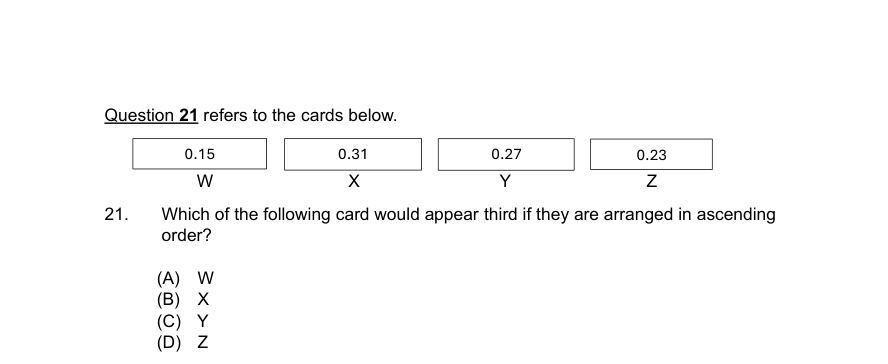
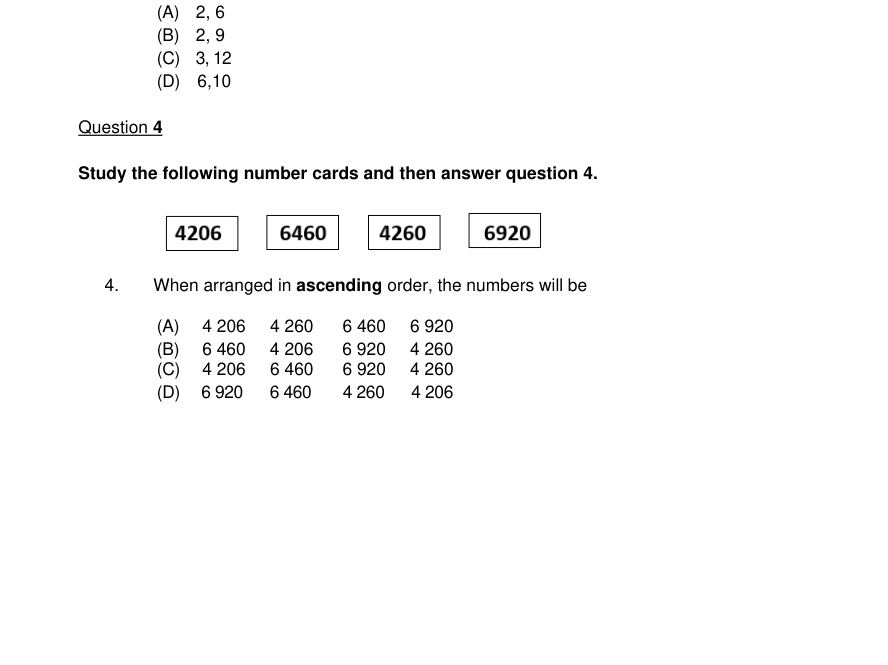
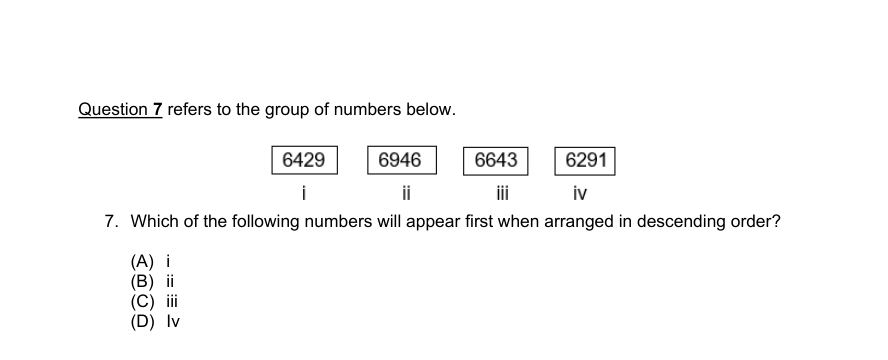
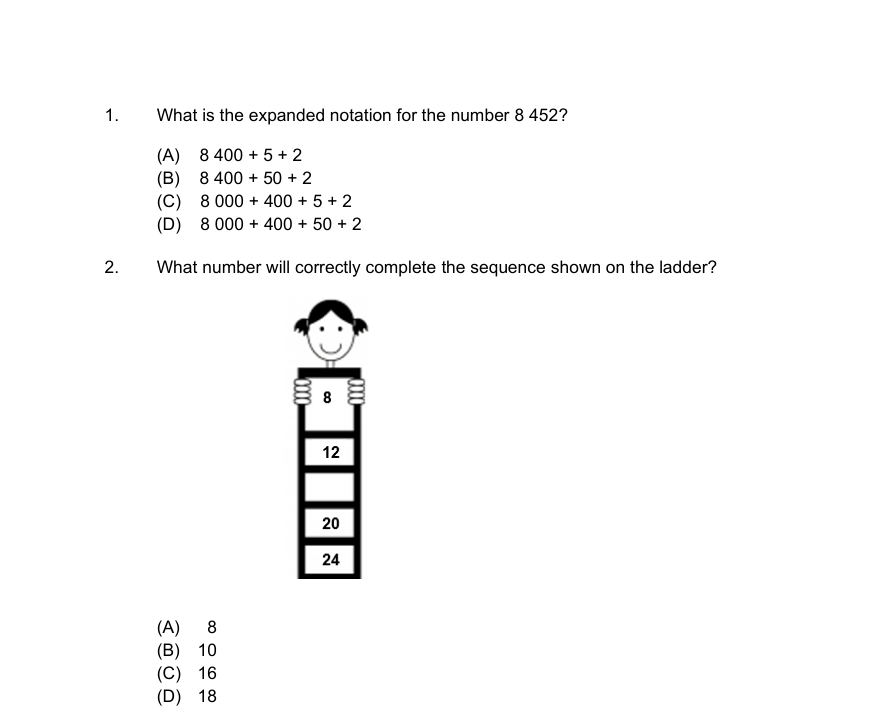
Expanded form breaks a number into place-value parts. Compare or order numbers from the largest place first; if those digits tie, move one place to the right.
For rounding, identify the target place and inspect the digit immediately to its right: 0–4 keeps the target digit; 5–9 increases it by one.
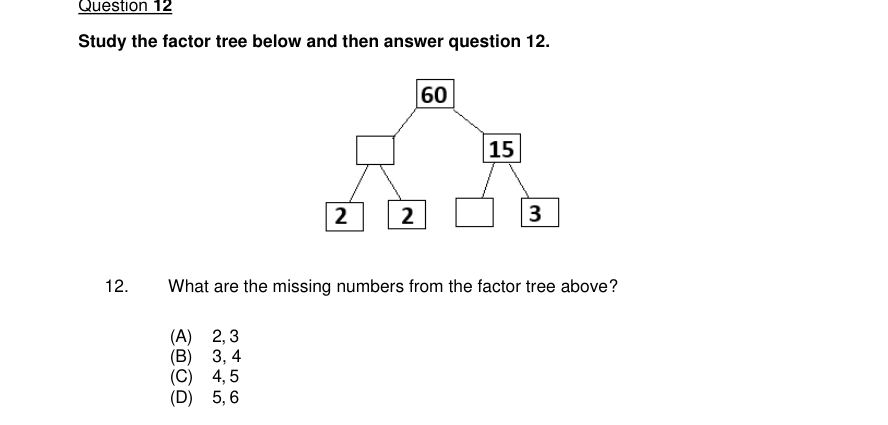
A factor divides a number exactly. A multiple is made by multiplying the number by a whole number. Common factors or multiples belong to both lists.
Prime numbers have exactly two positive factors: 1 and themselves. Divisibility rules are shortcuts, but checking by division always works.
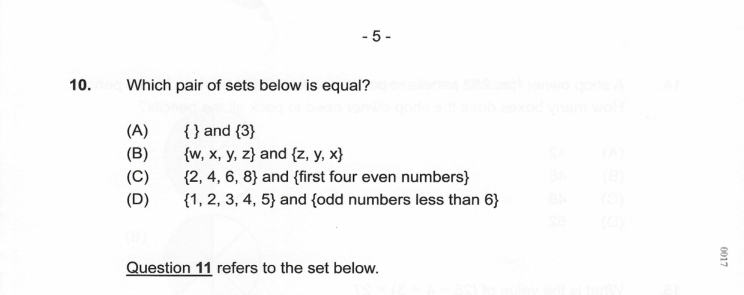
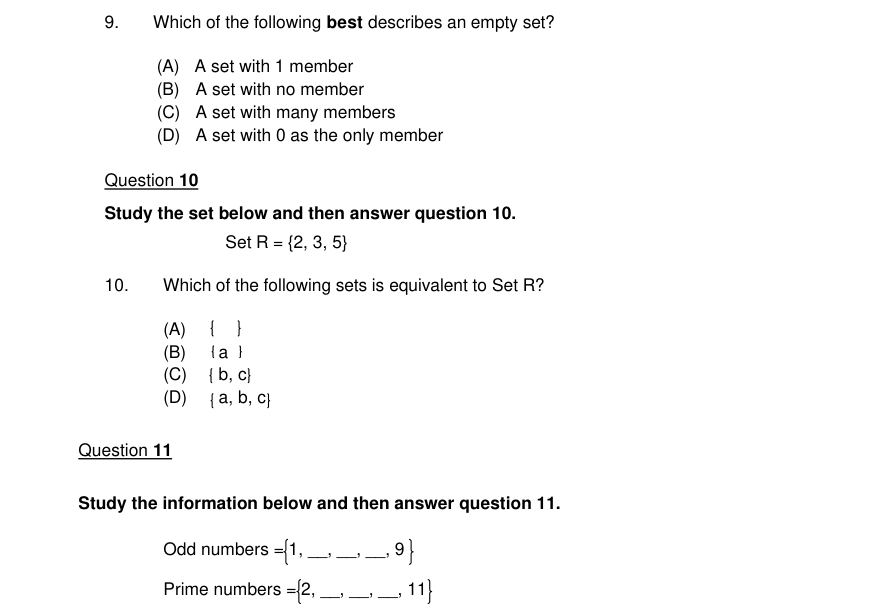
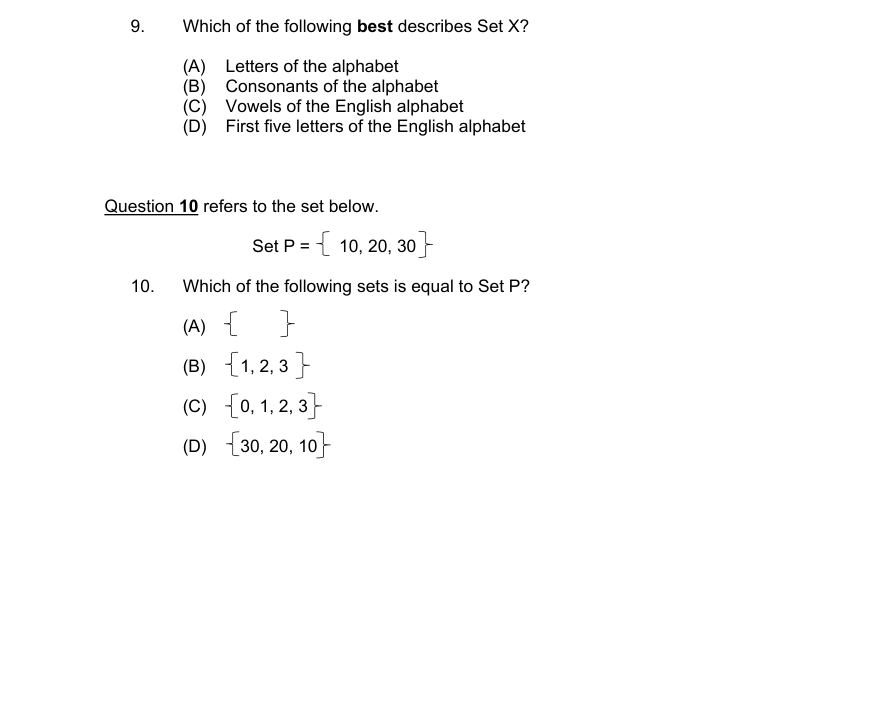
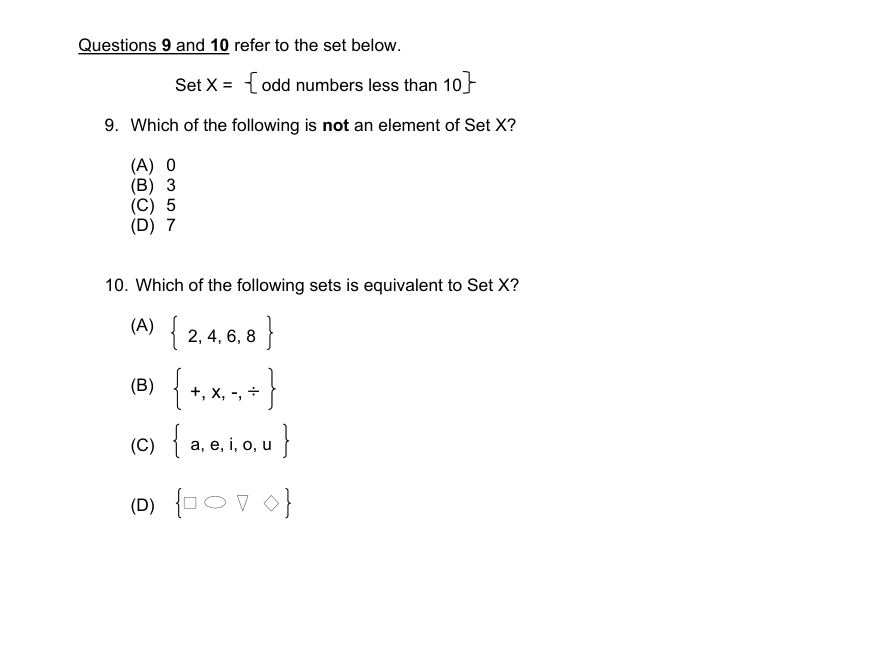
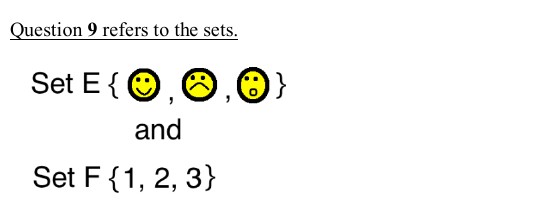
A set is a collection of distinct elements. Equal sets contain exactly the same elements; equivalent sets have the same number of elements; the empty set has none.
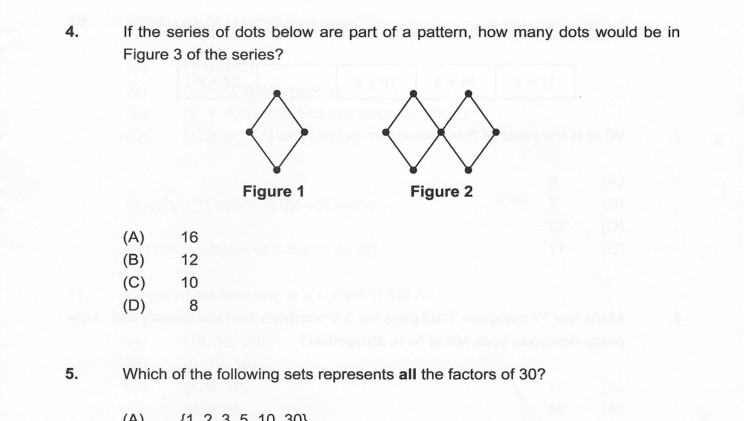
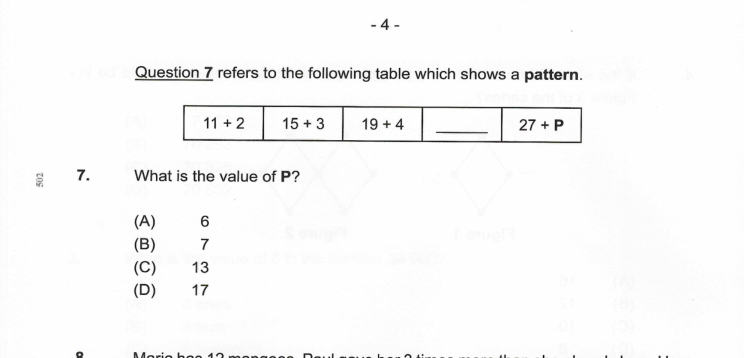
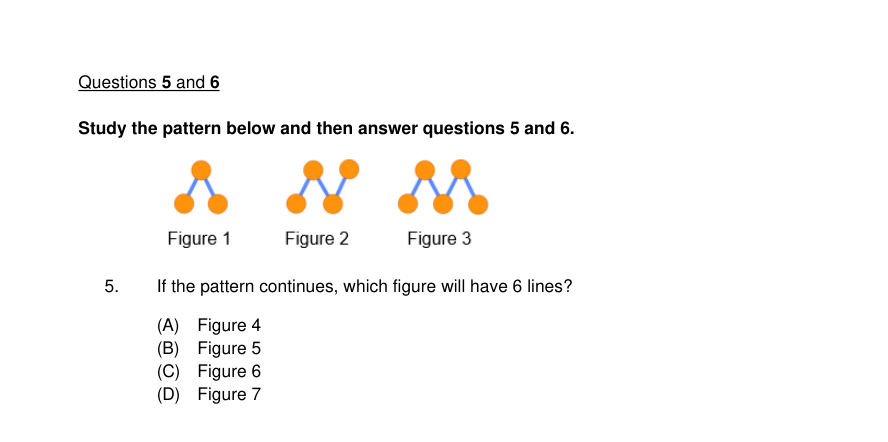
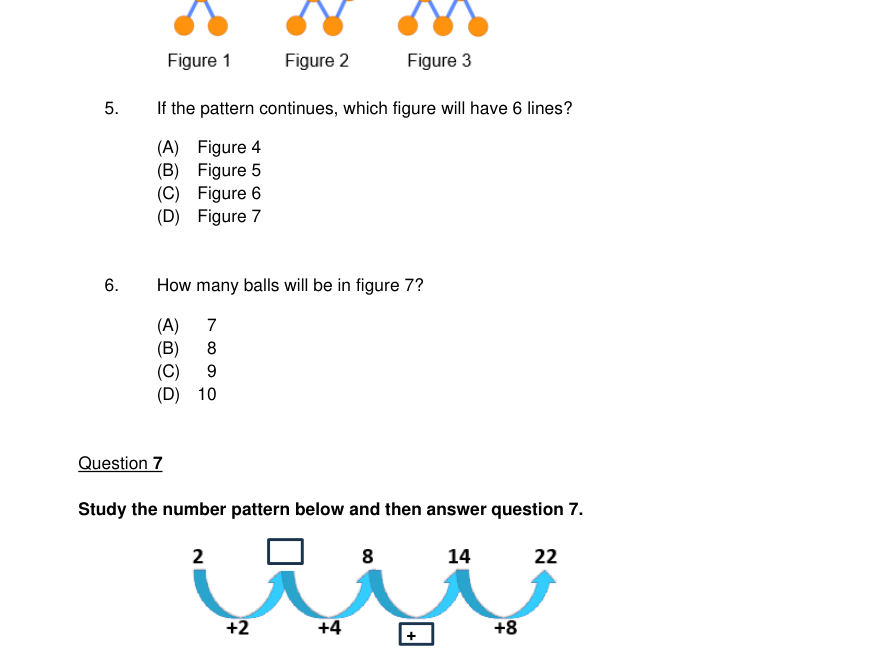
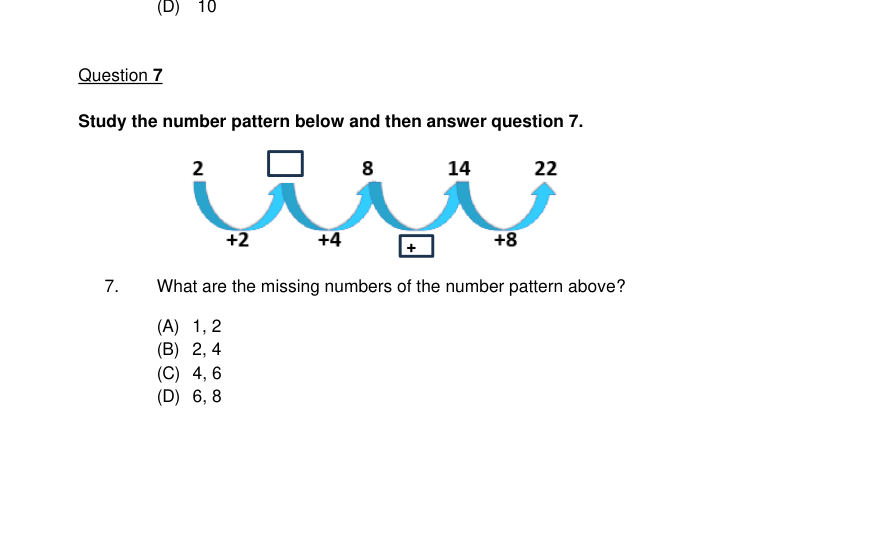
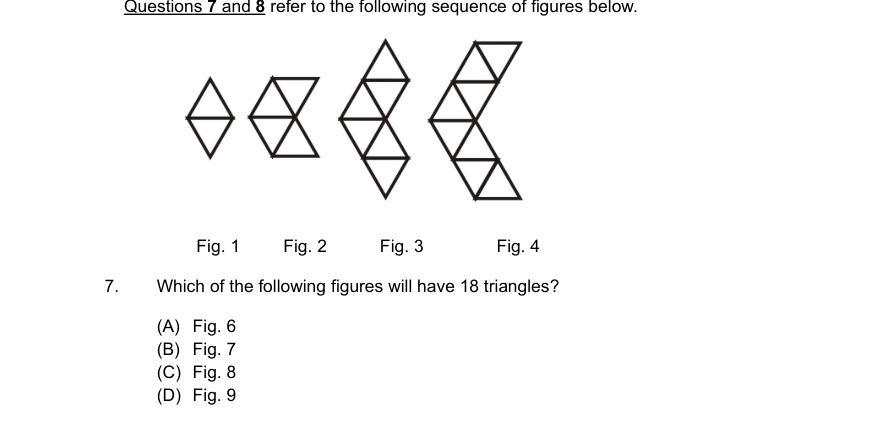
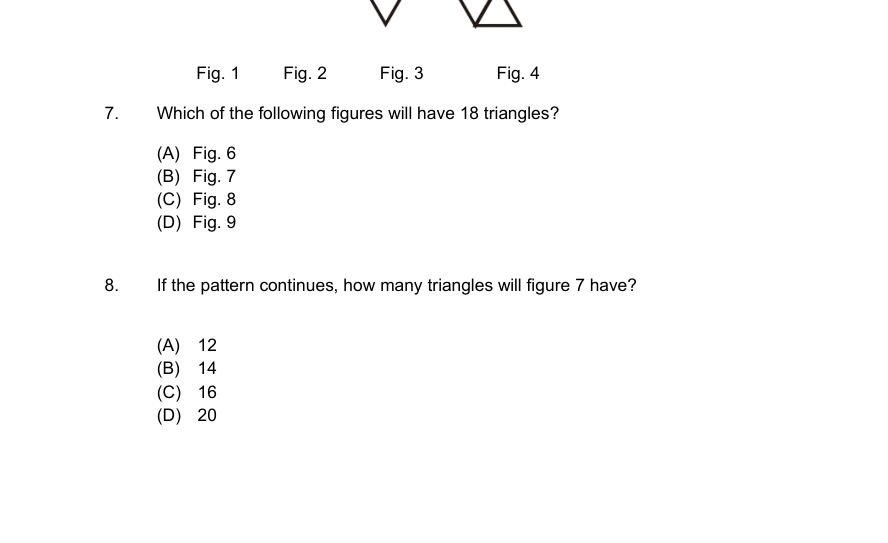
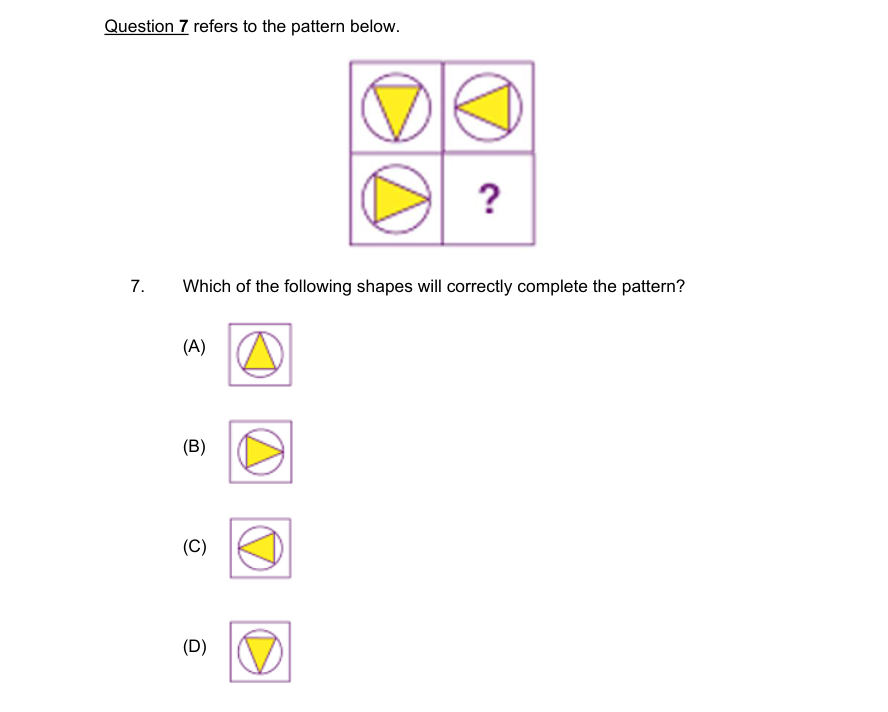
For a sequence, compare consecutive terms and look for a repeated operation: add, subtract, multiply, divide, or a repeating visual change.
Use BODMAS/order of operations: brackets first, then division and multiplication from left to right, then addition and subtraction from left to right.
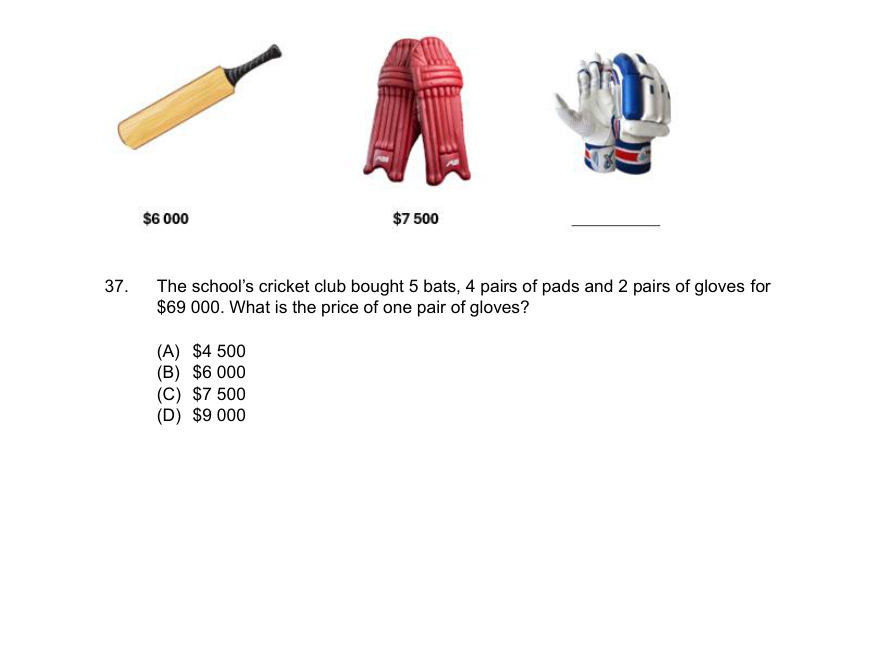
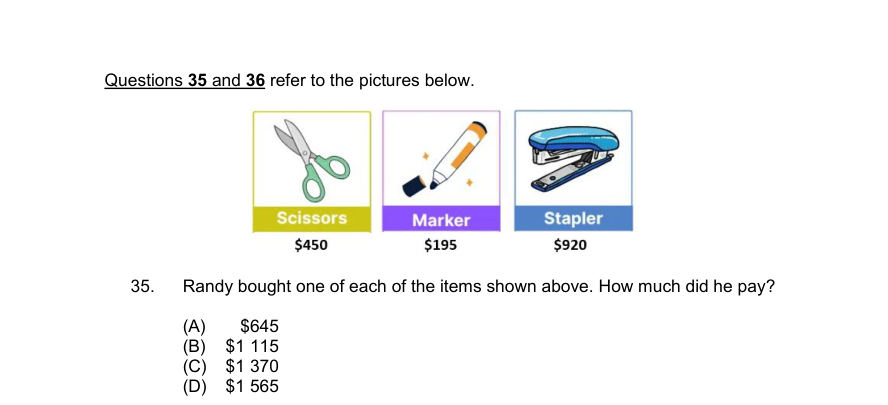
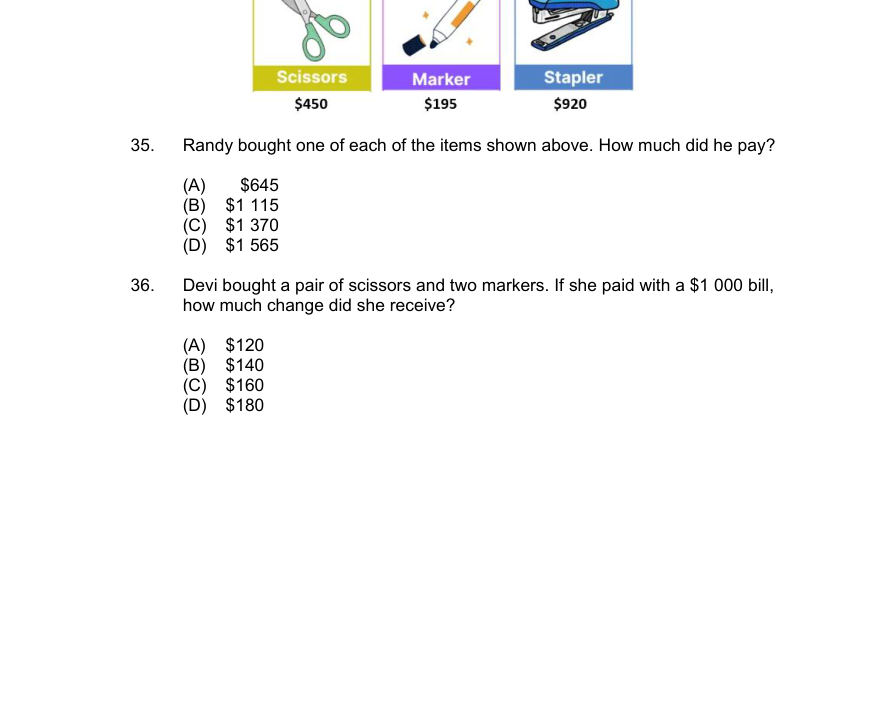
For word problems, translate the story into quantities and operations before calculating. Estimate first so you can spot an unreasonable answer.
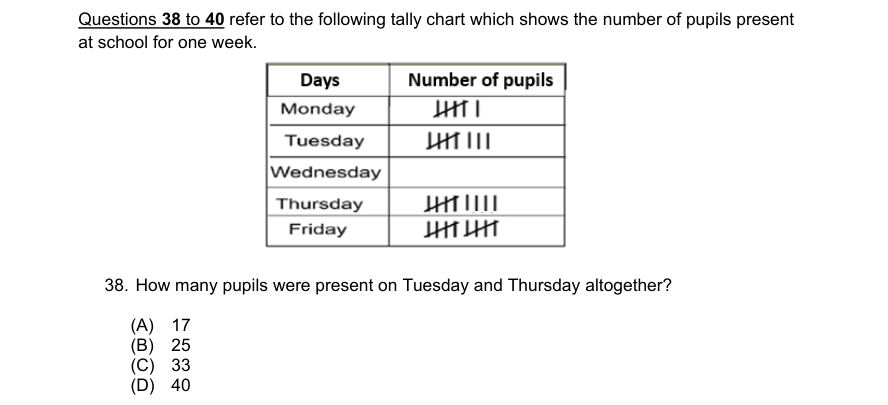
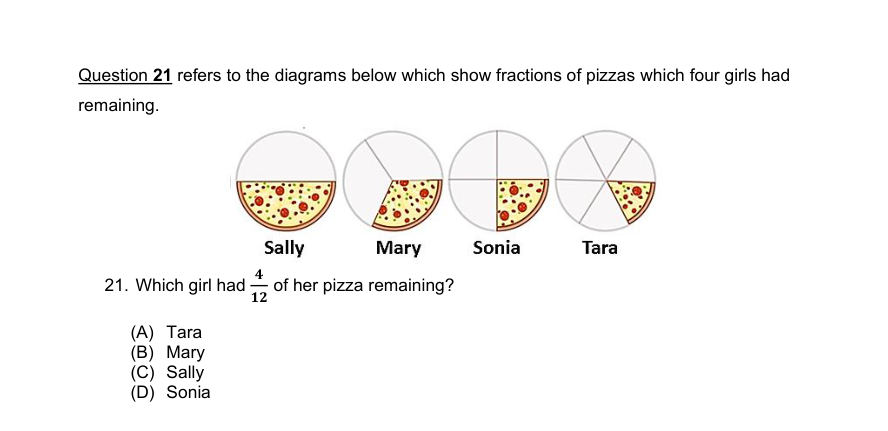
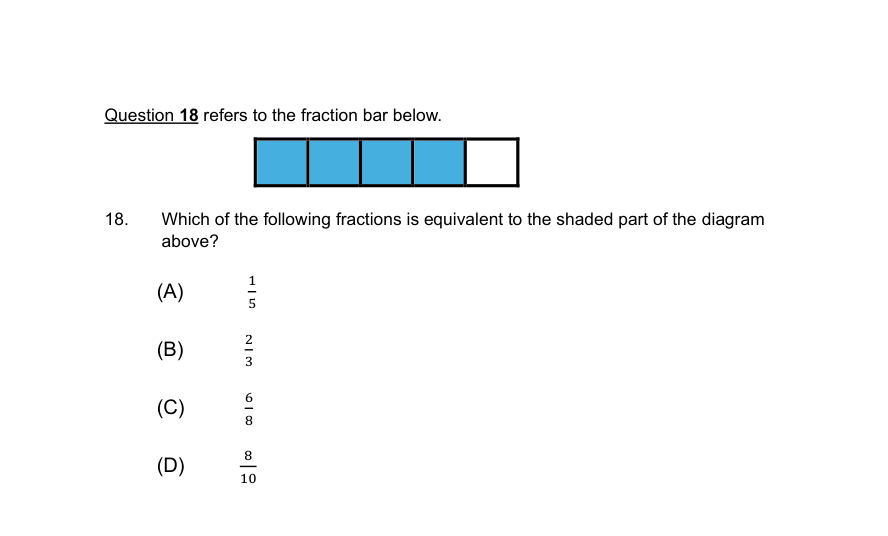
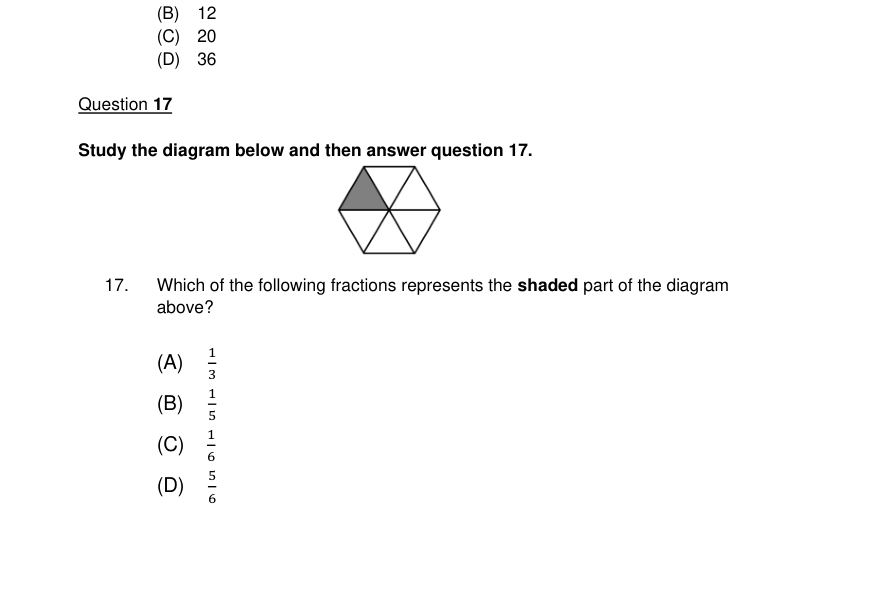
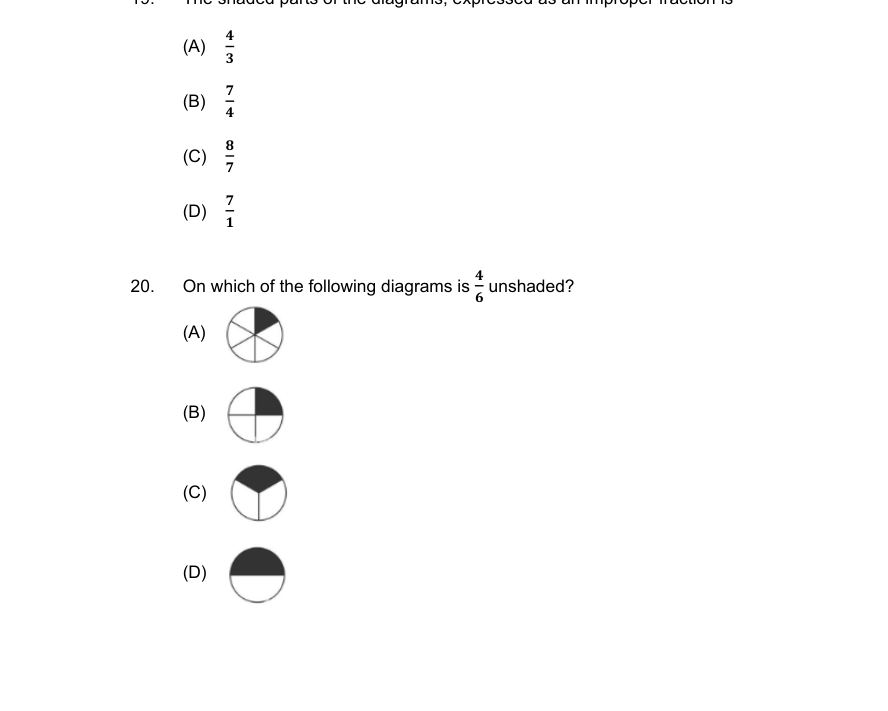
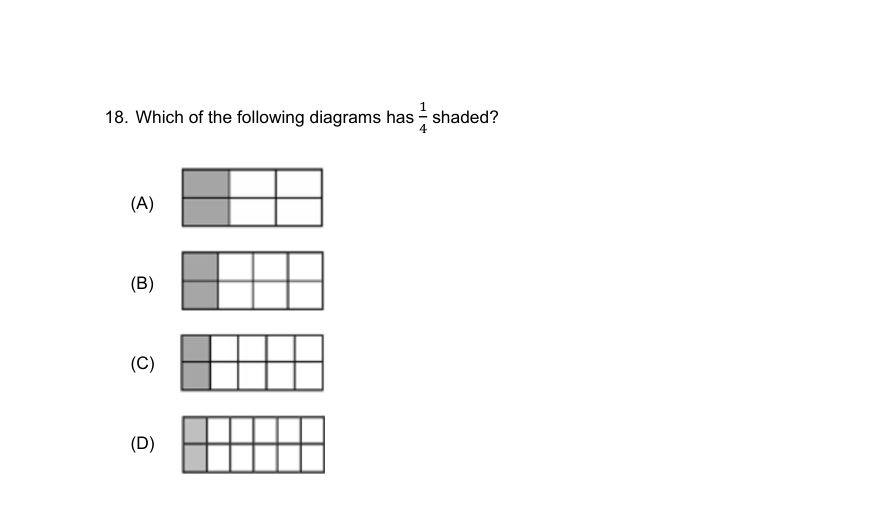
Equivalent fractions name the same amount. Multiply or divide the numerator and denominator by the same non-zero number.
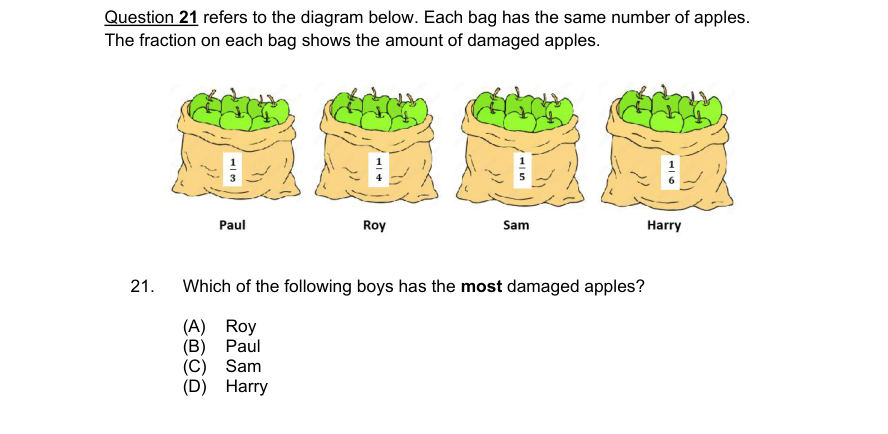
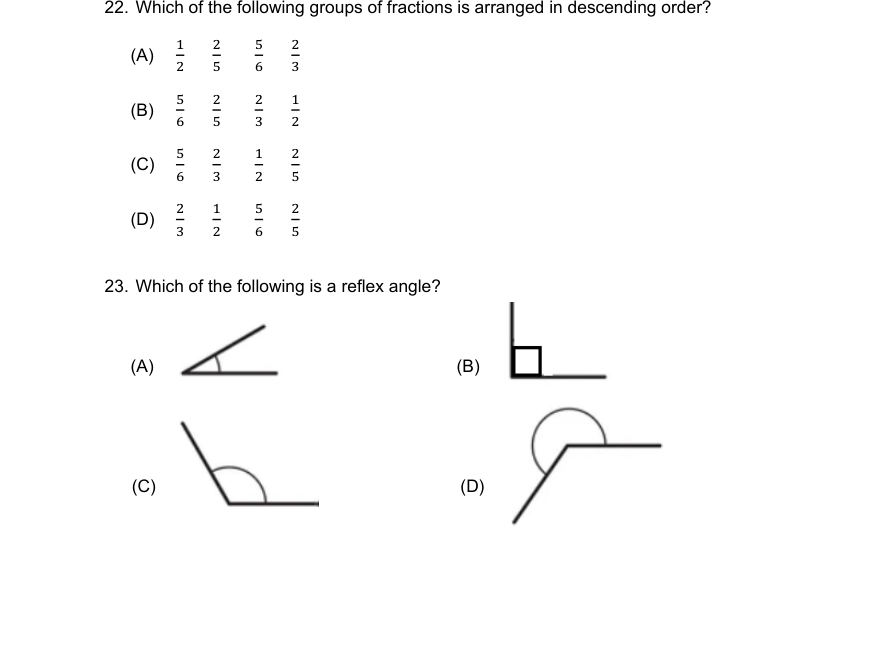
To compare fractions, use a common denominator or convert them to decimals. For addition and subtraction, first create a common denominator.
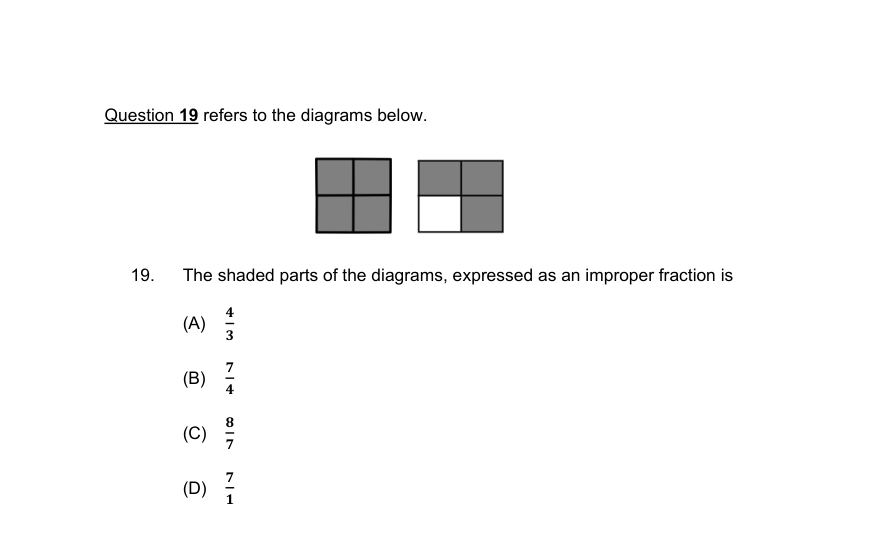
To find a fraction of a quantity, divide by the denominator and multiply by the numerator. An improper fraction has a numerator at least as large as its denominator.
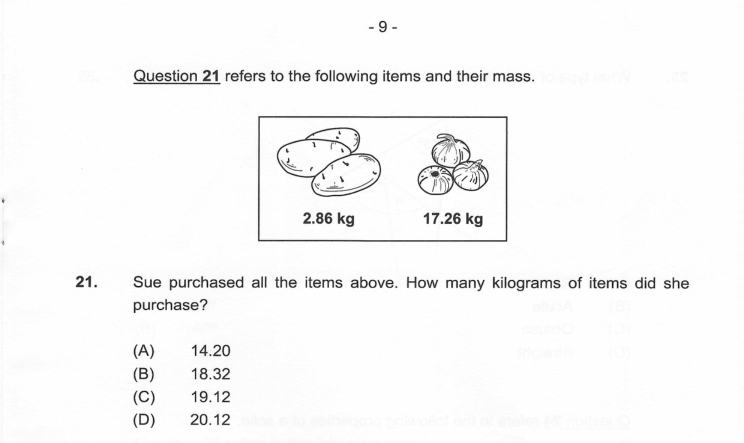
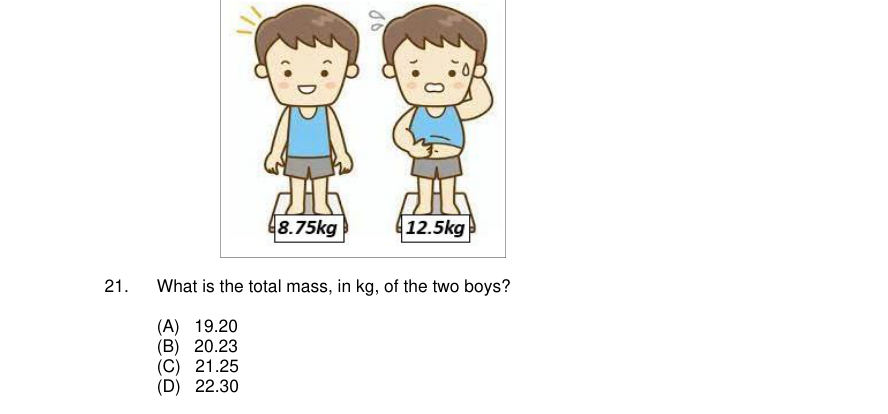
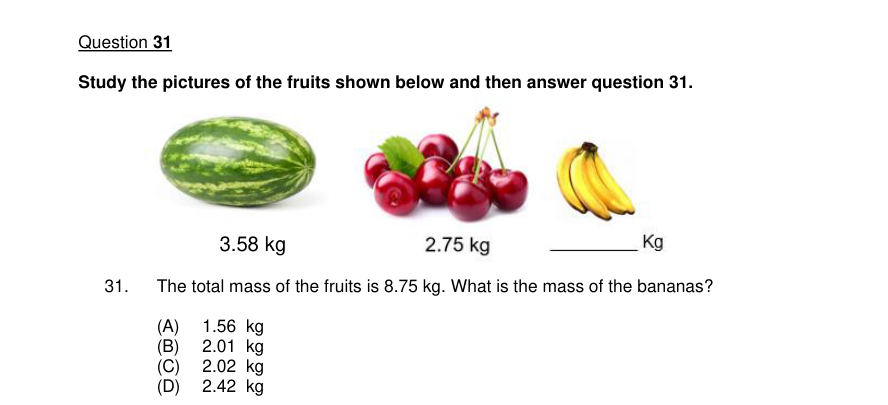
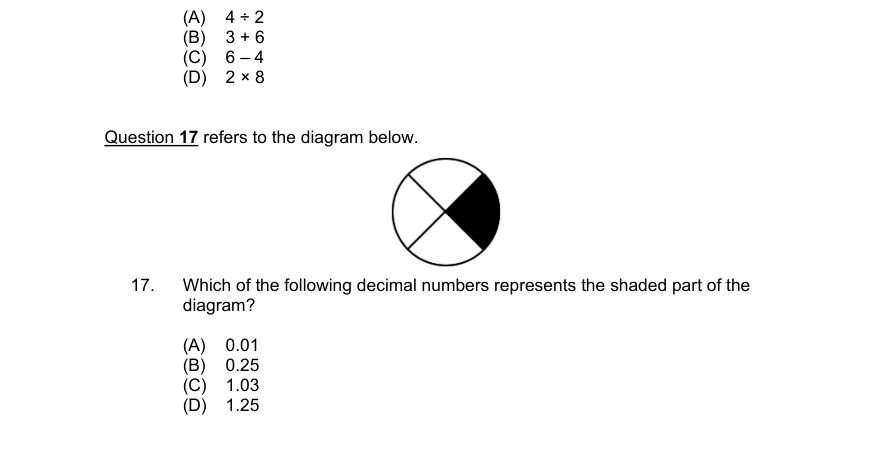
Decimal place value continues to tenths, hundredths and thousandths. Line up decimal points when adding or subtracting.
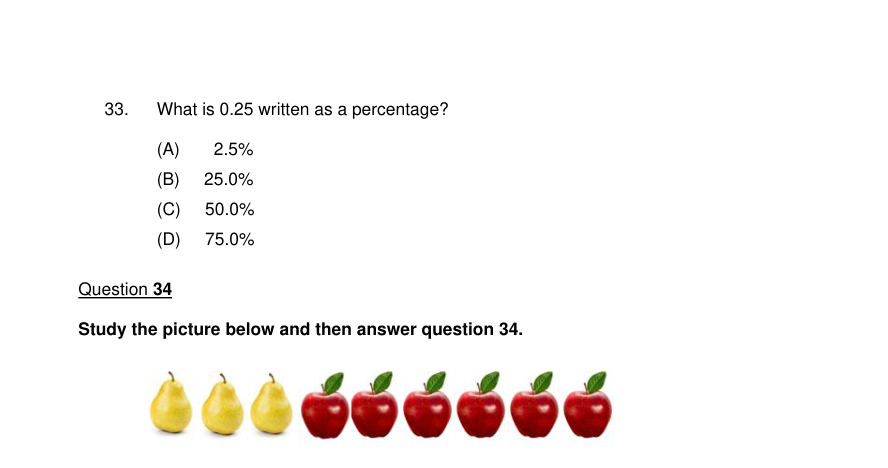
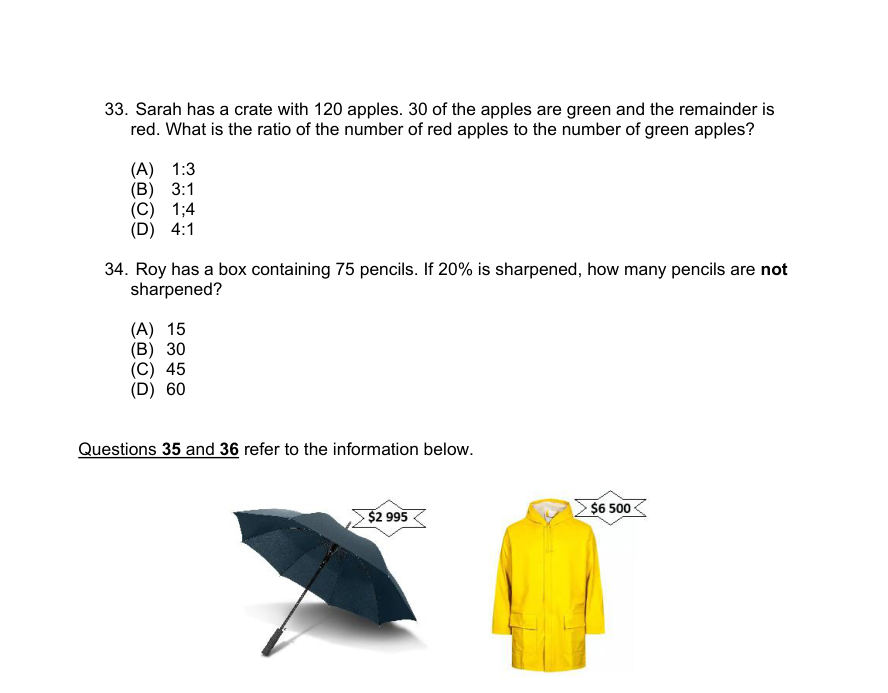
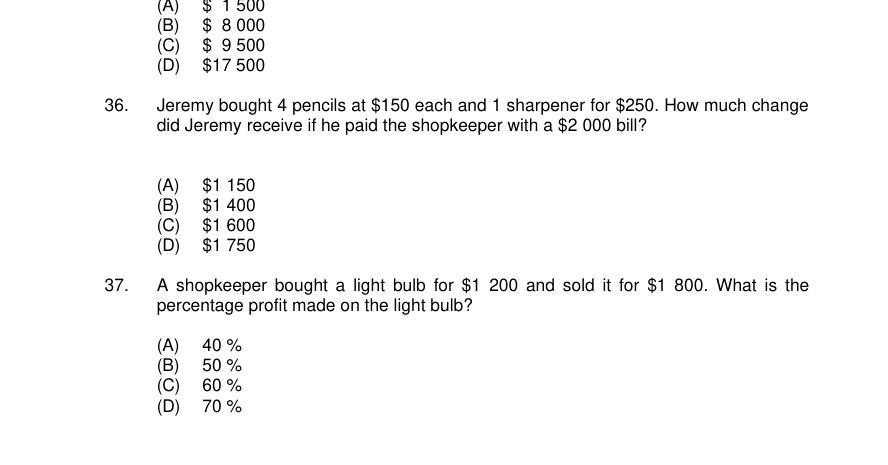
Percent means “per hundred.” Move between fractions, decimals and percents by using equivalent representations; for example 3/5 = 0.6 = 60%.
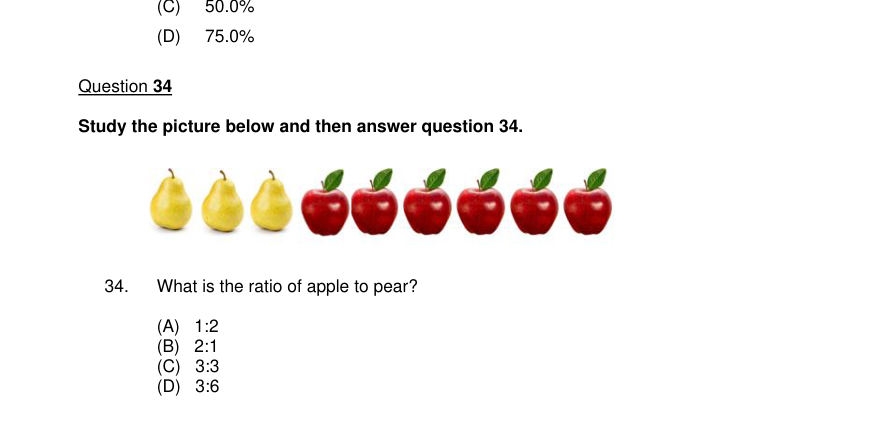
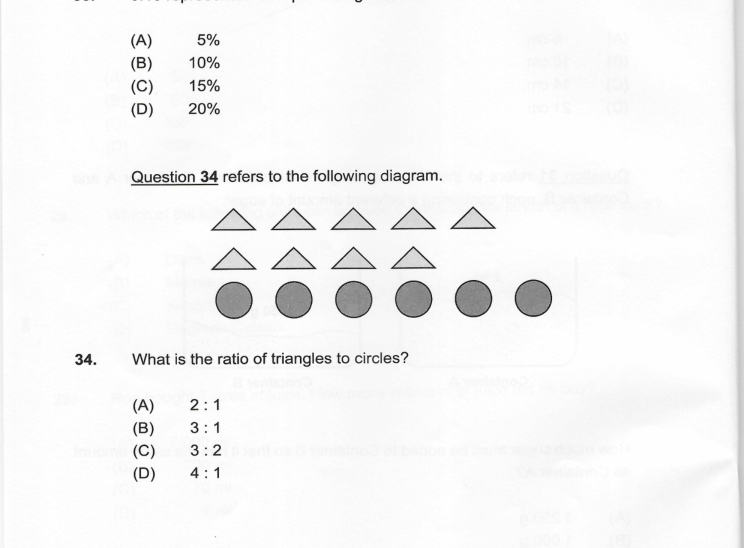
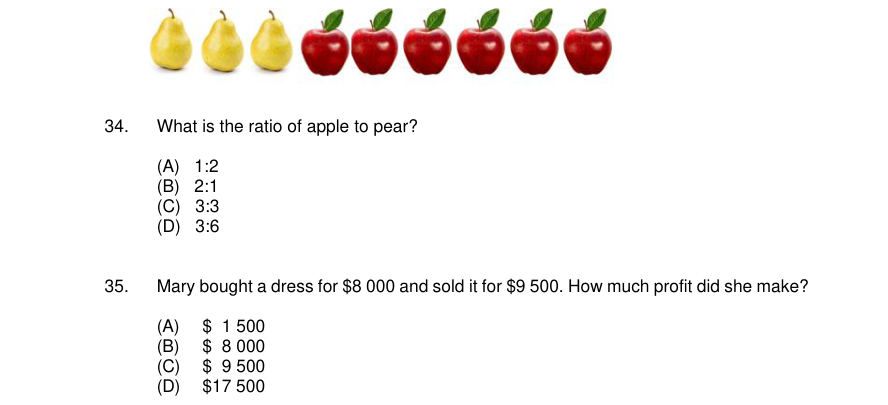
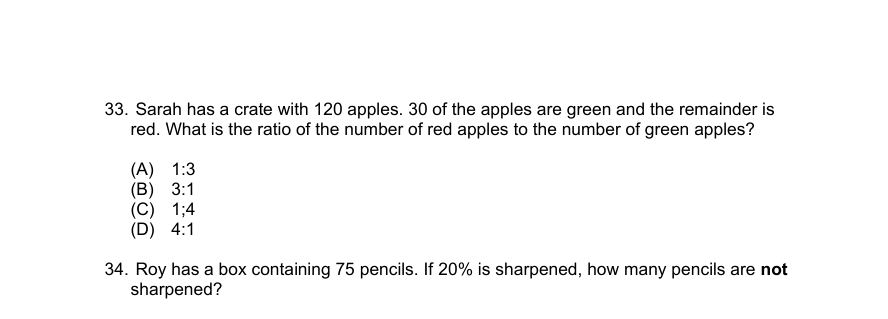
A ratio compares quantities. Simplify a ratio by dividing both parts by a common factor, just as you simplify a fraction.
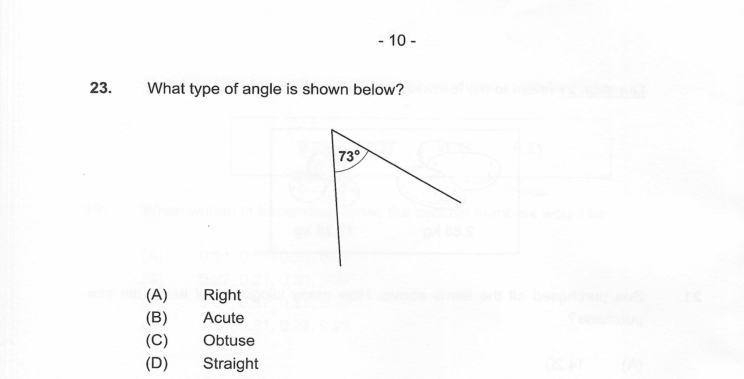
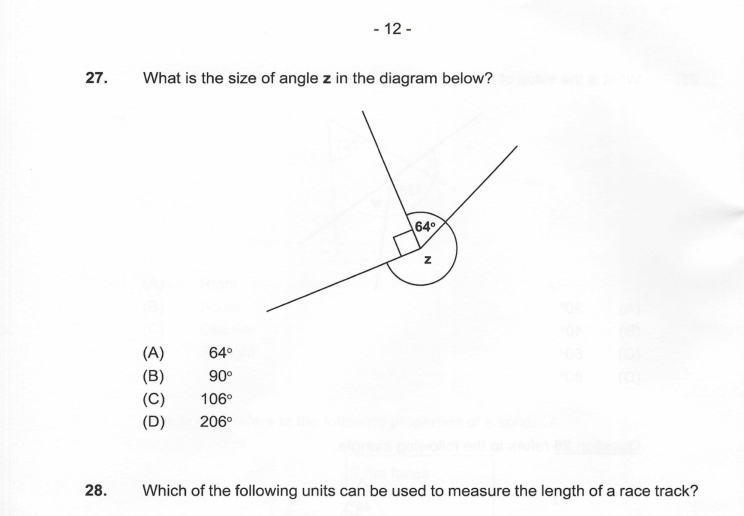
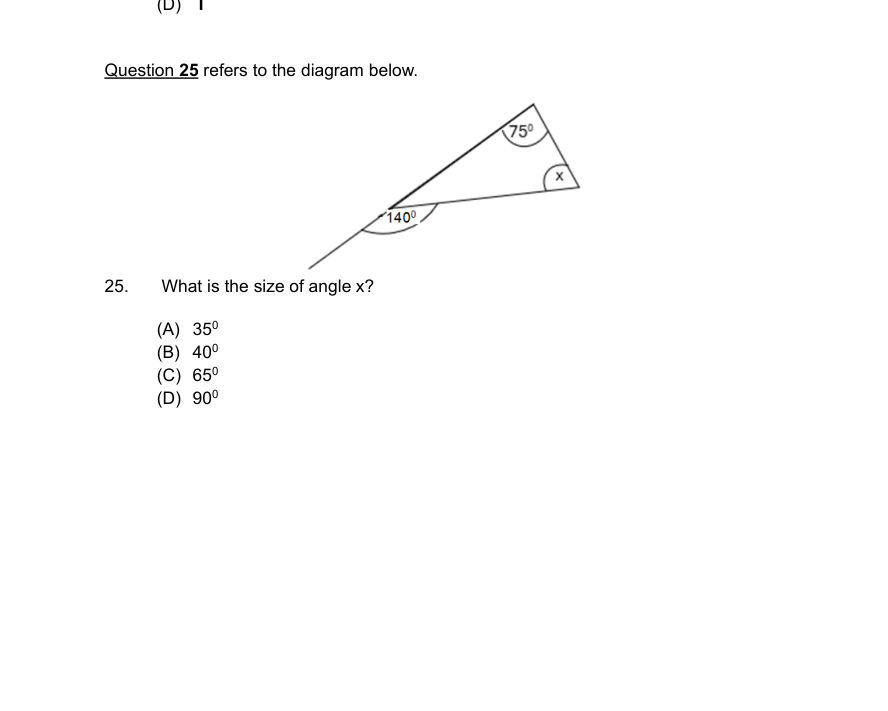
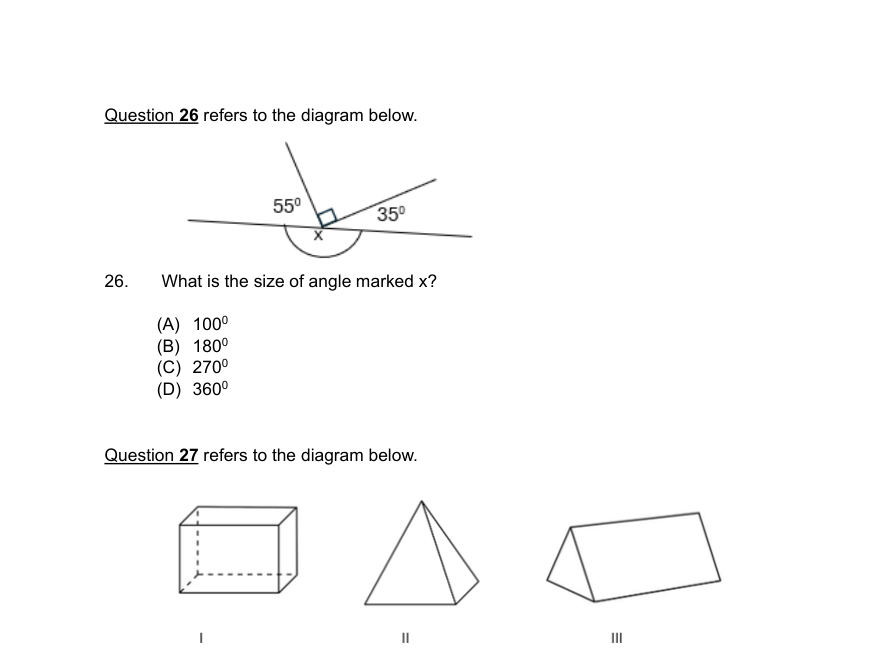
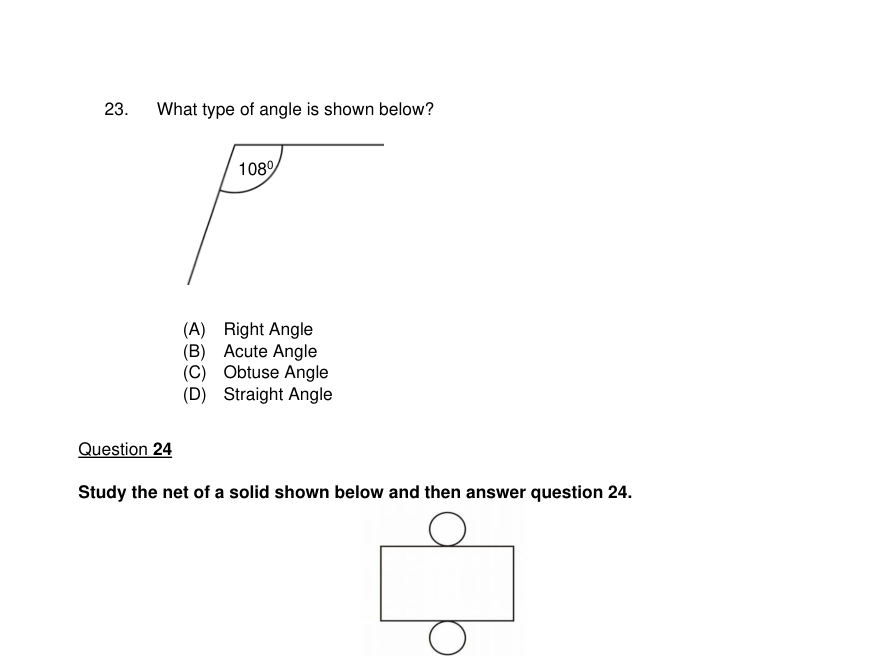
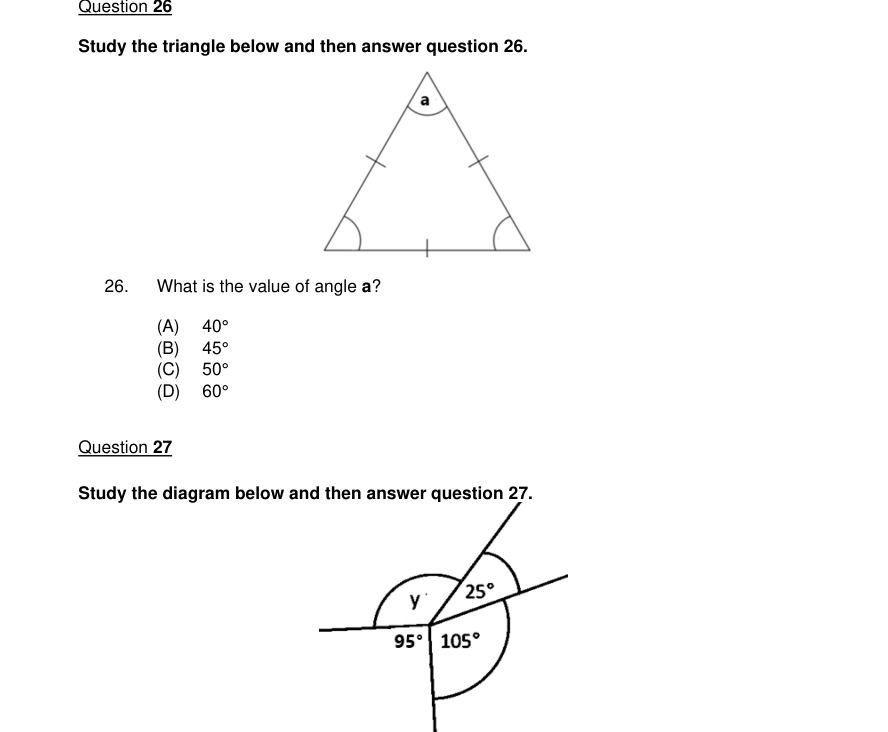
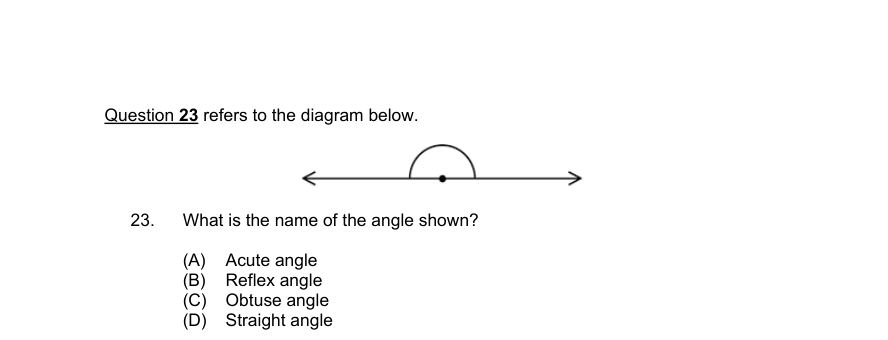
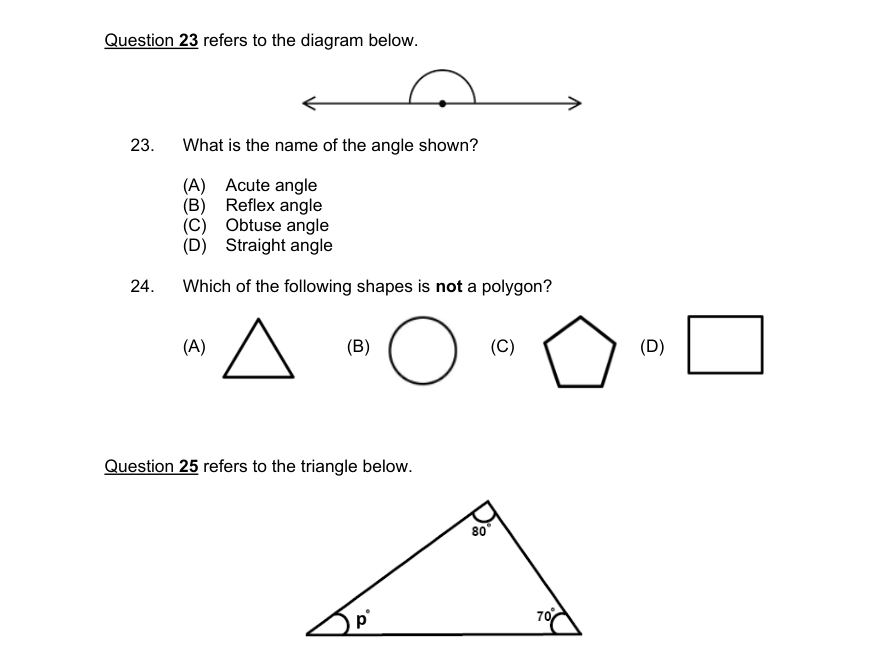
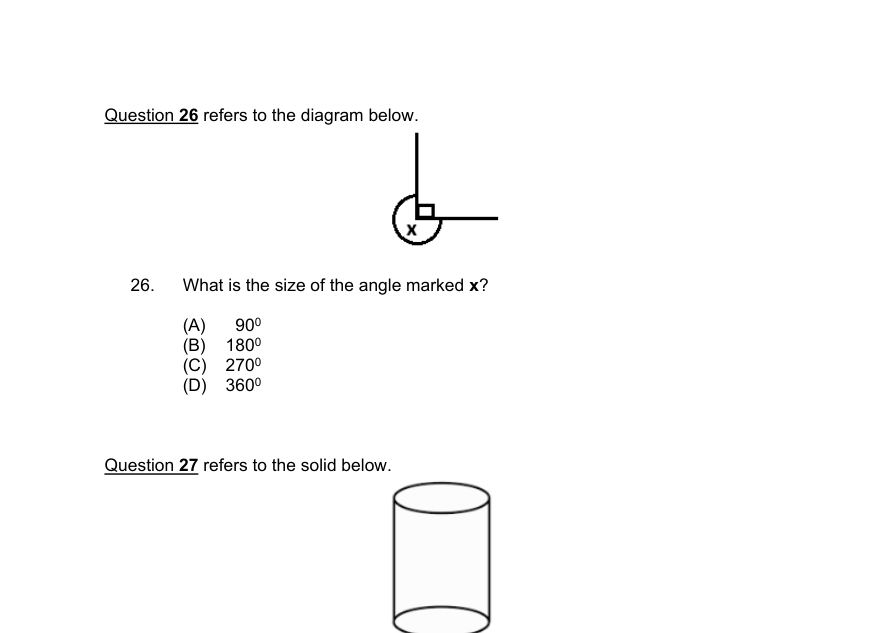
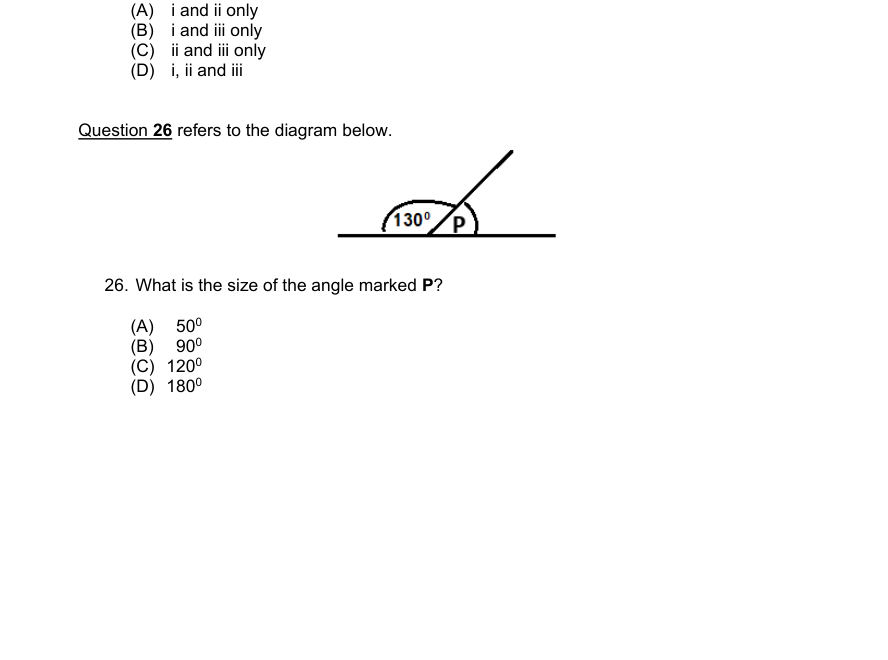
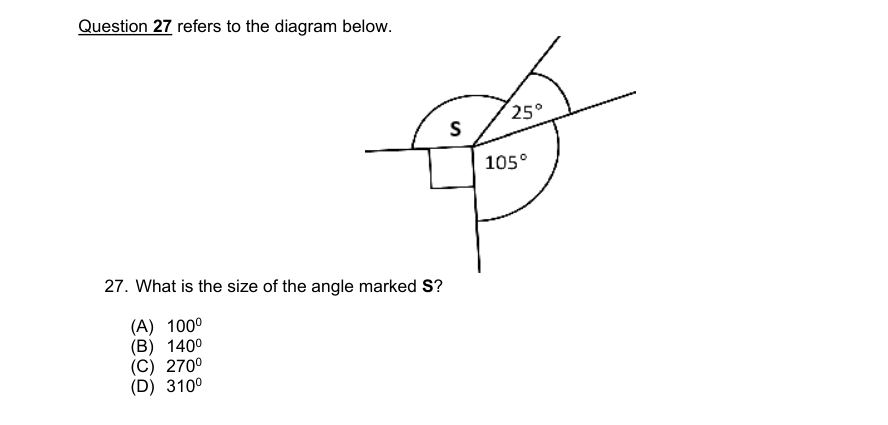
Classify angles by size: acute < 90°, right = 90°, obtuse is between 90° and 180°, straight = 180°, and reflex is between 180° and 360°.
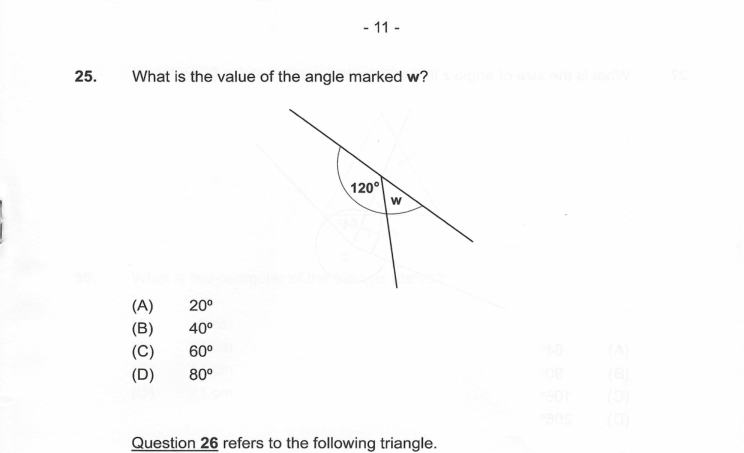
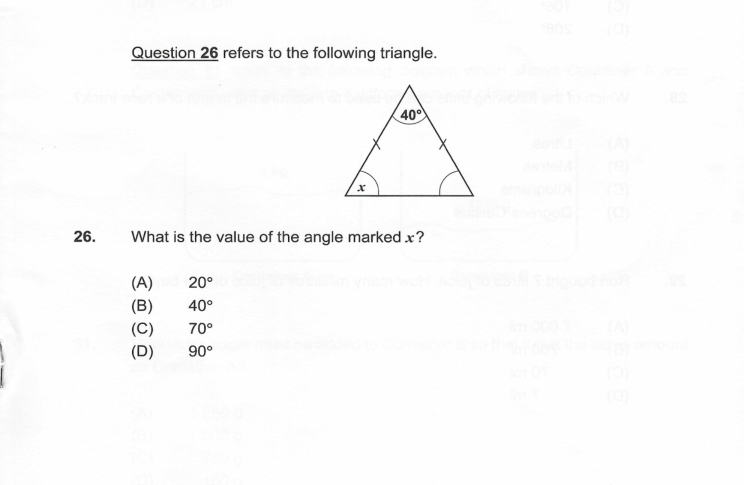
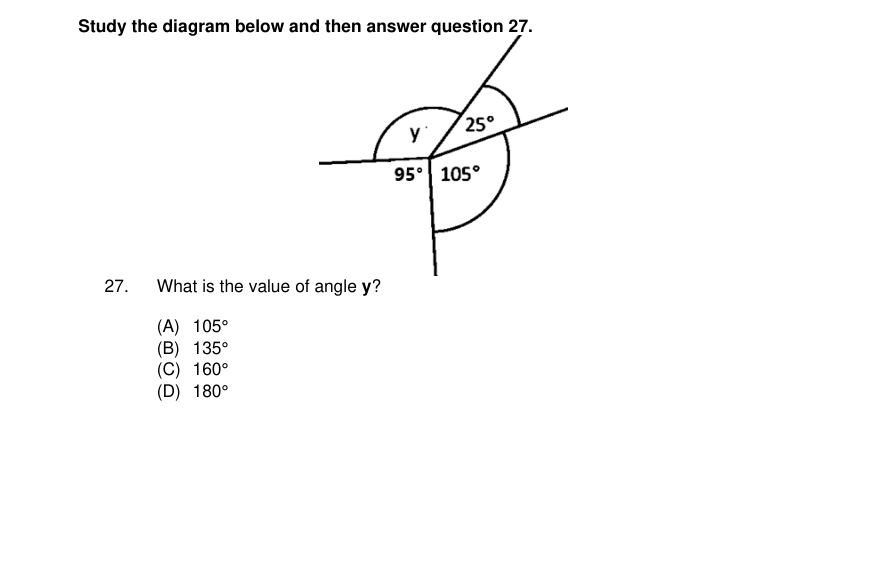
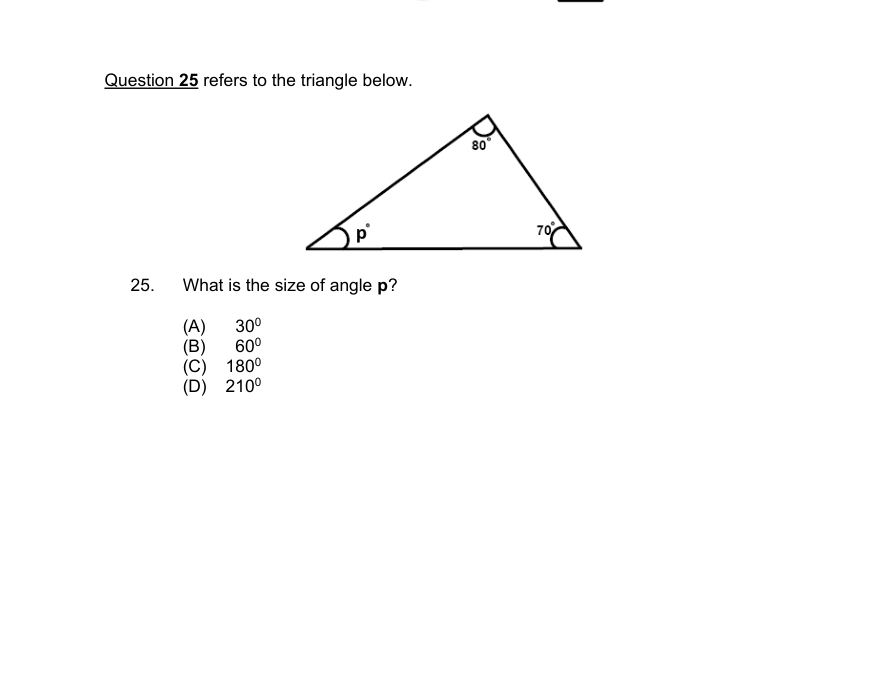
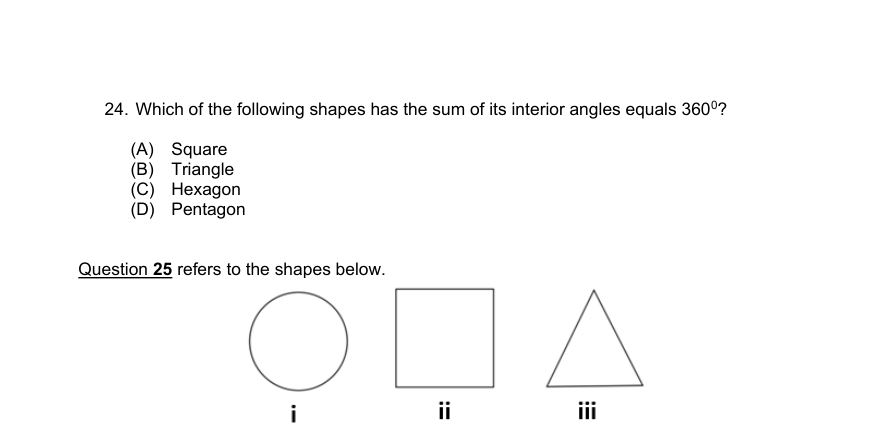
Angles on a straight line total 180°, around a point total 360°, and the interior angles of a triangle total 180°.
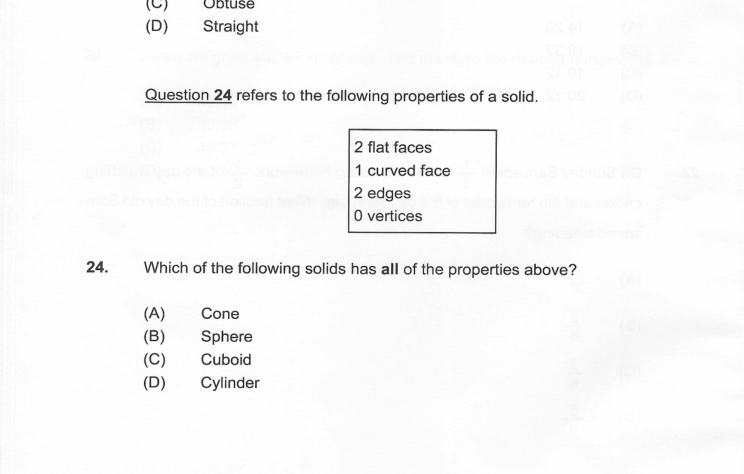
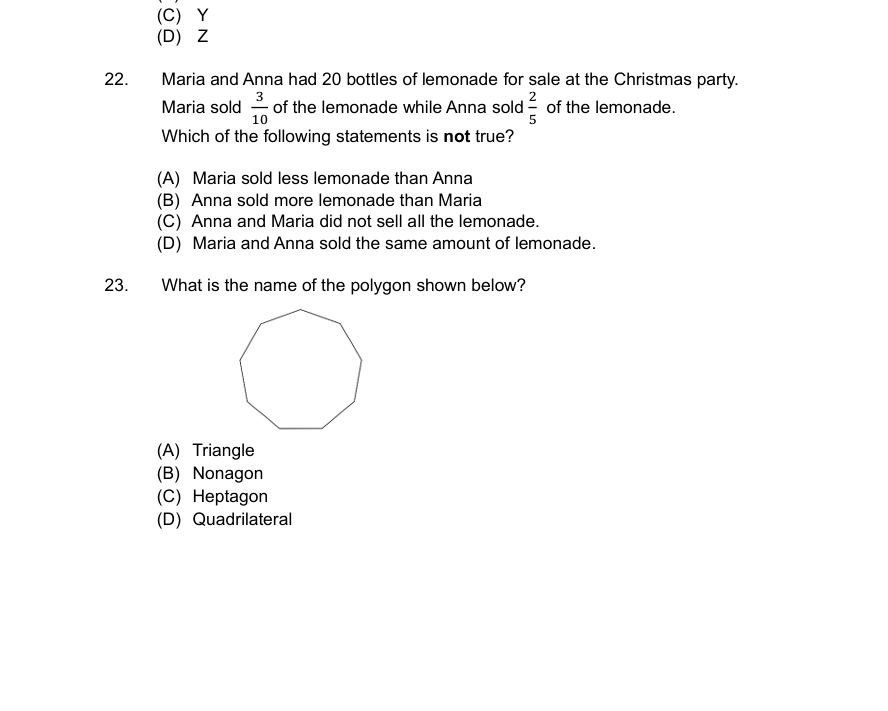
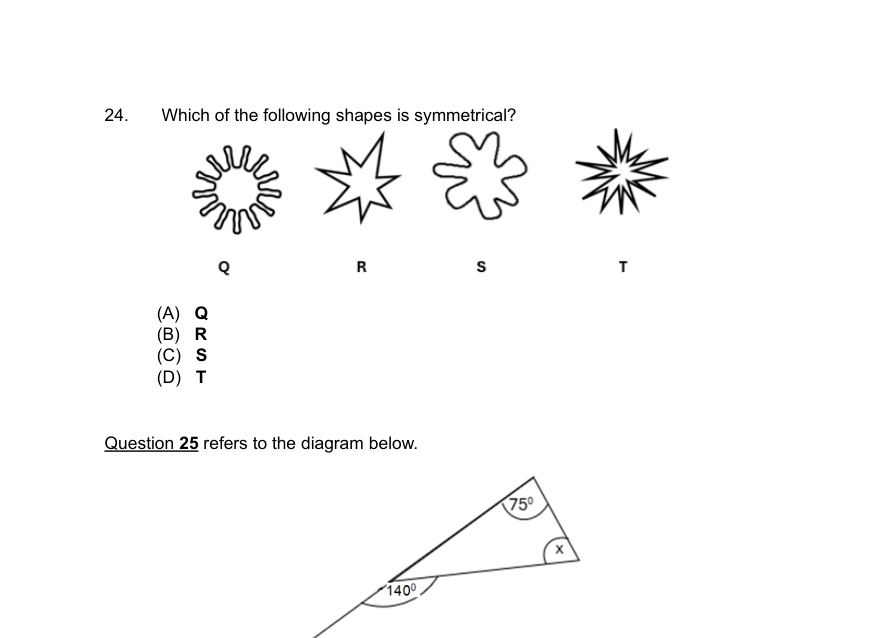
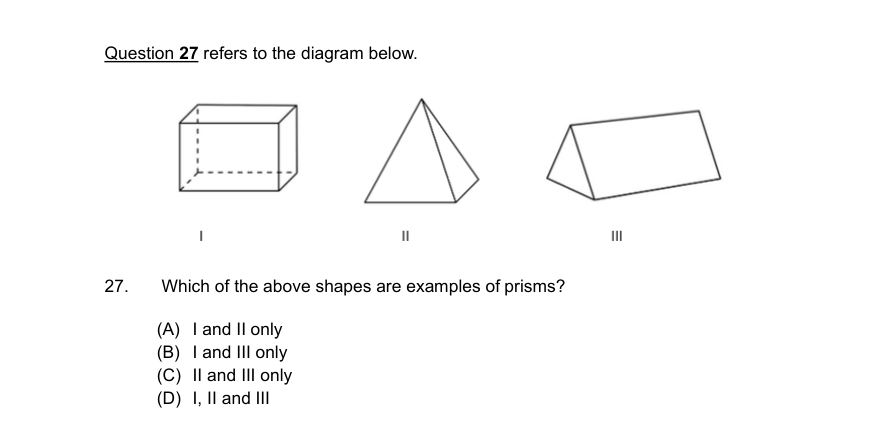
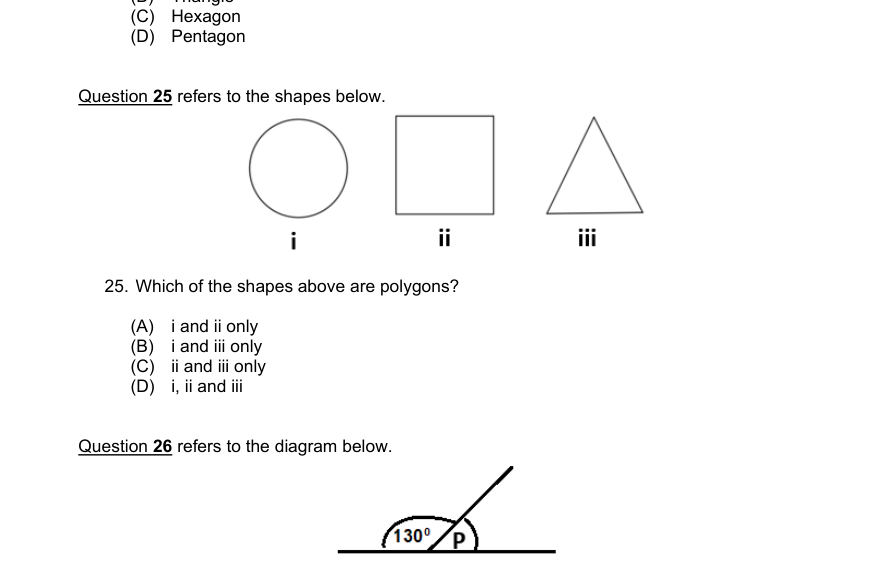
Polygons are closed shapes made from straight sides. Symmetry means one part can reflect onto another across a line.
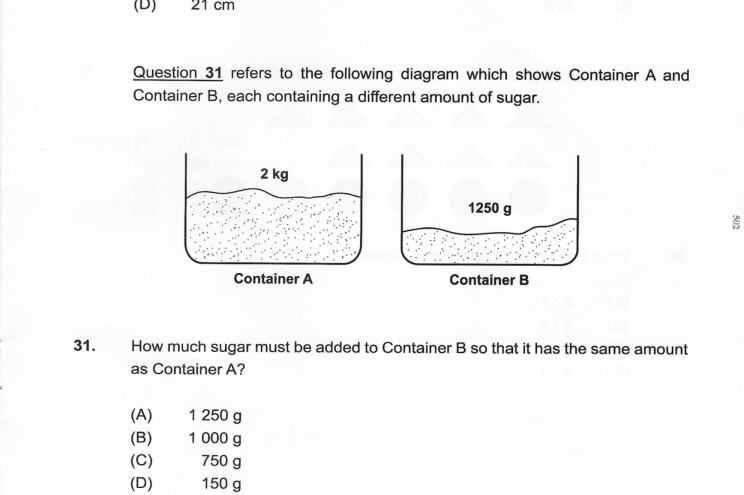
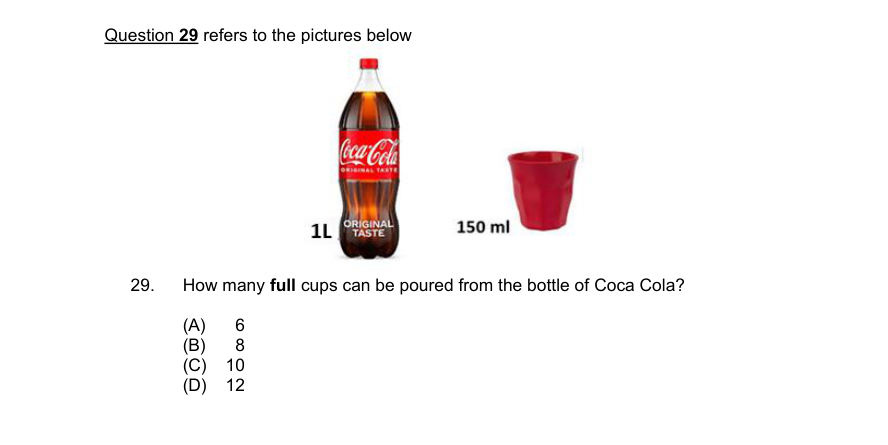
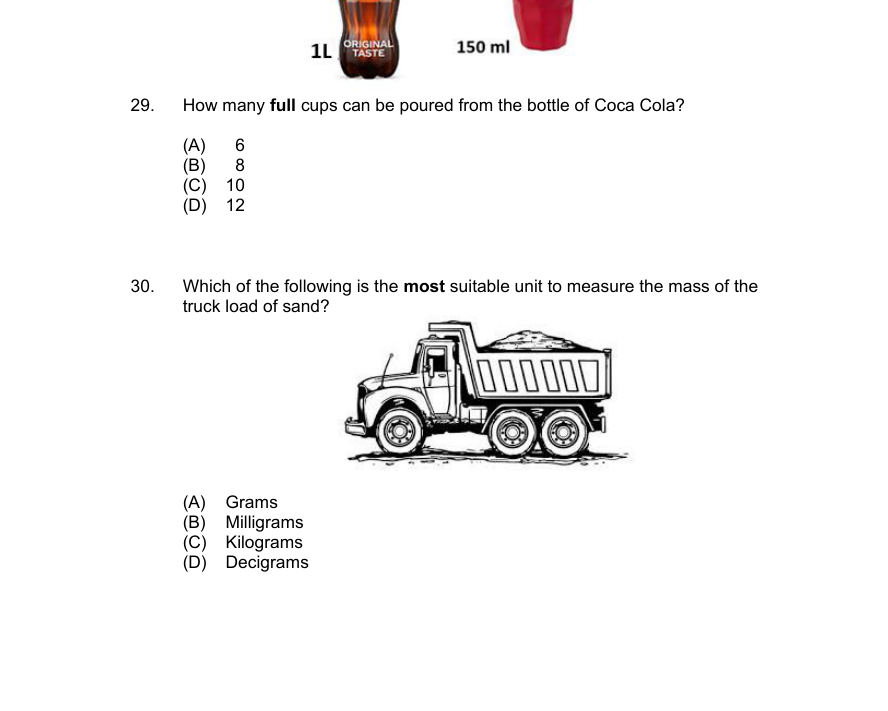
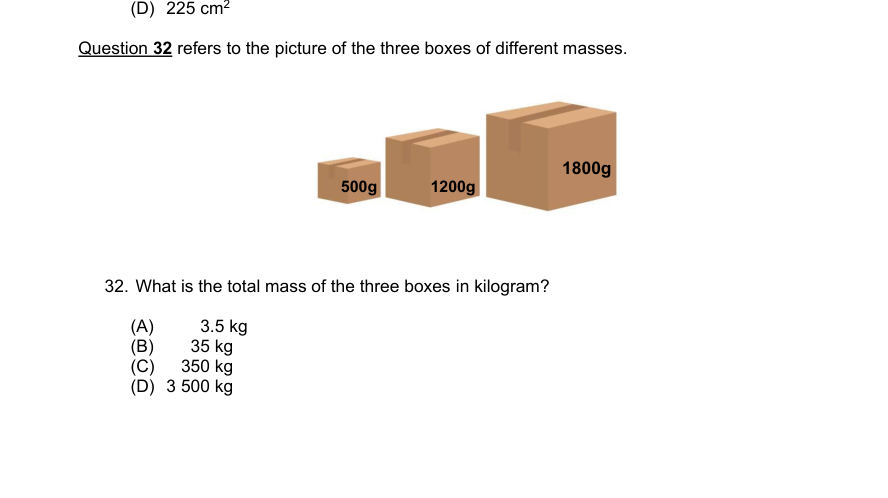
Keep units consistent before calculating. Key metric links include 1 km = 1 000 m, 1 m = 100 cm, 1 kg = 1 000 g, and 1 L = 1 000 mL.
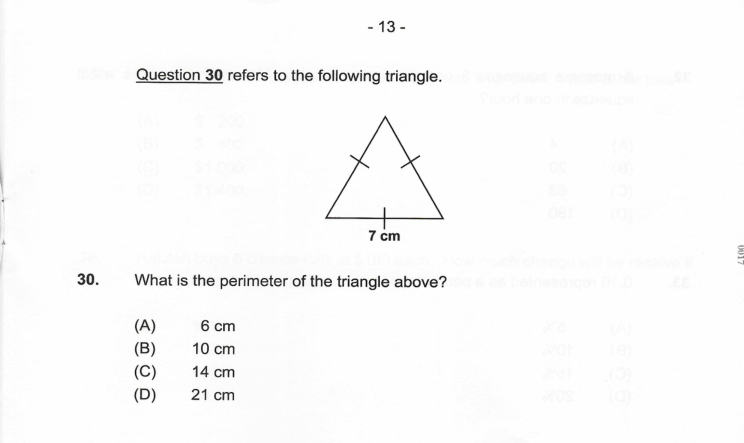
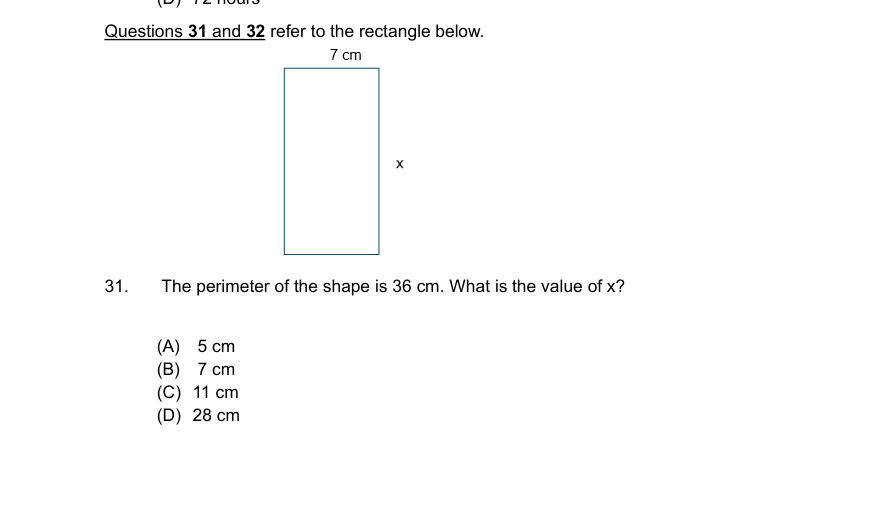
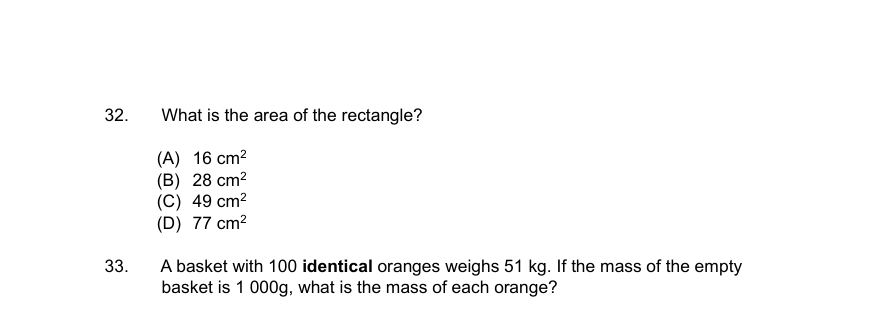
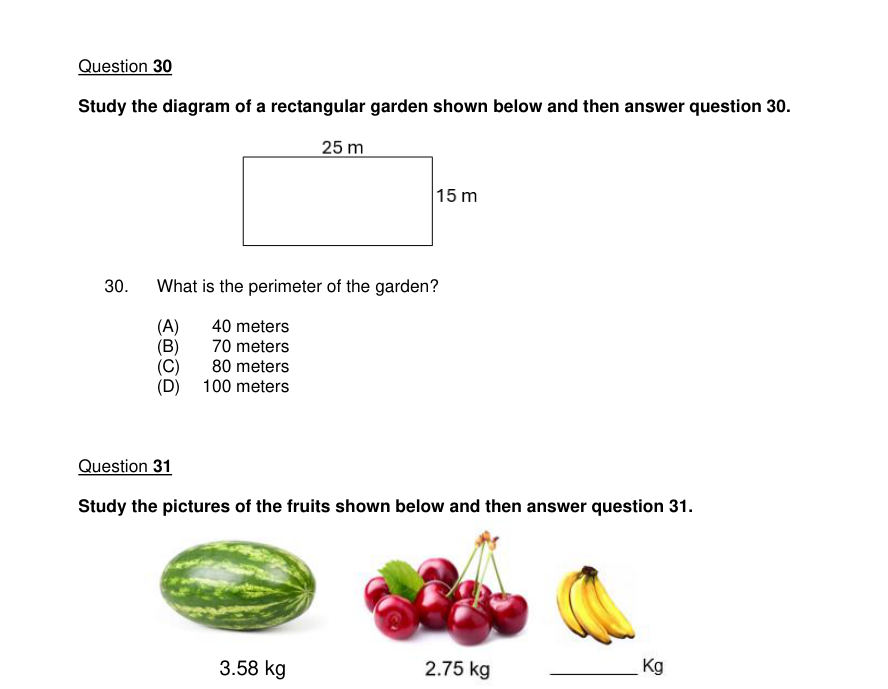
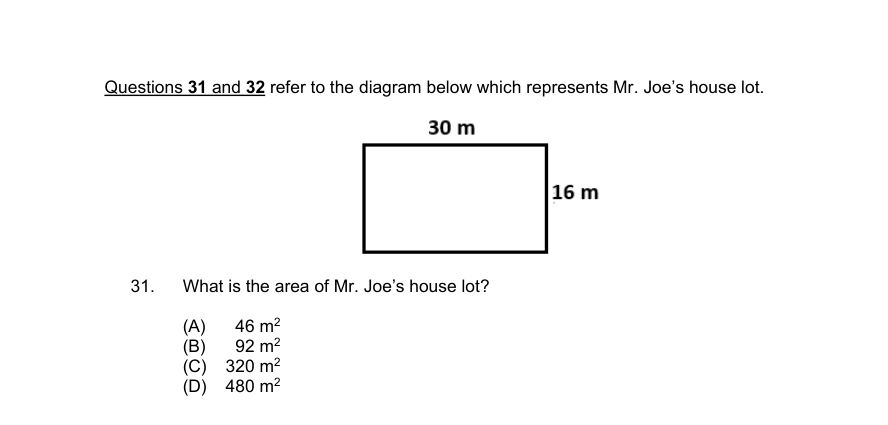
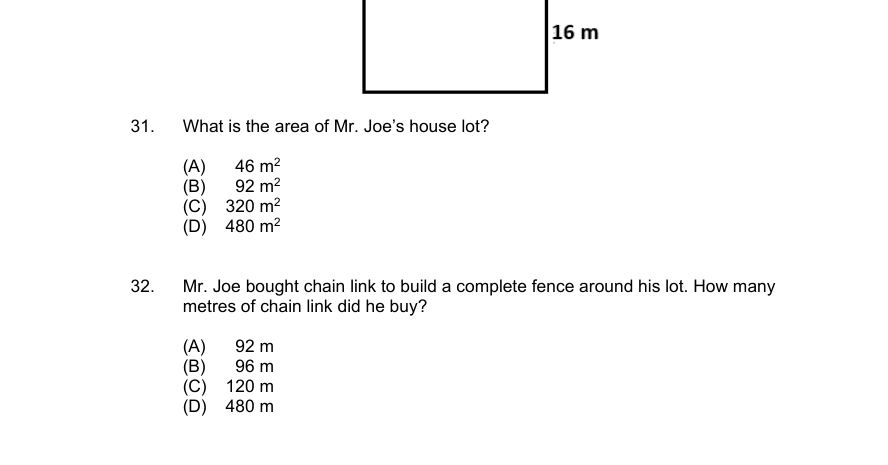
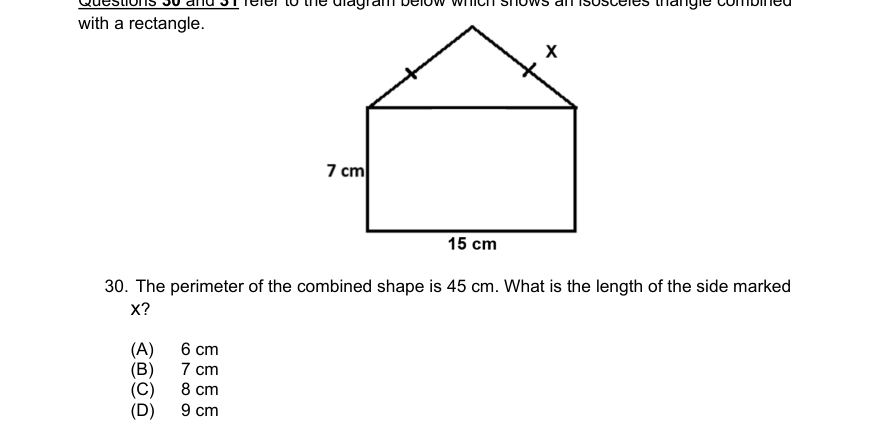
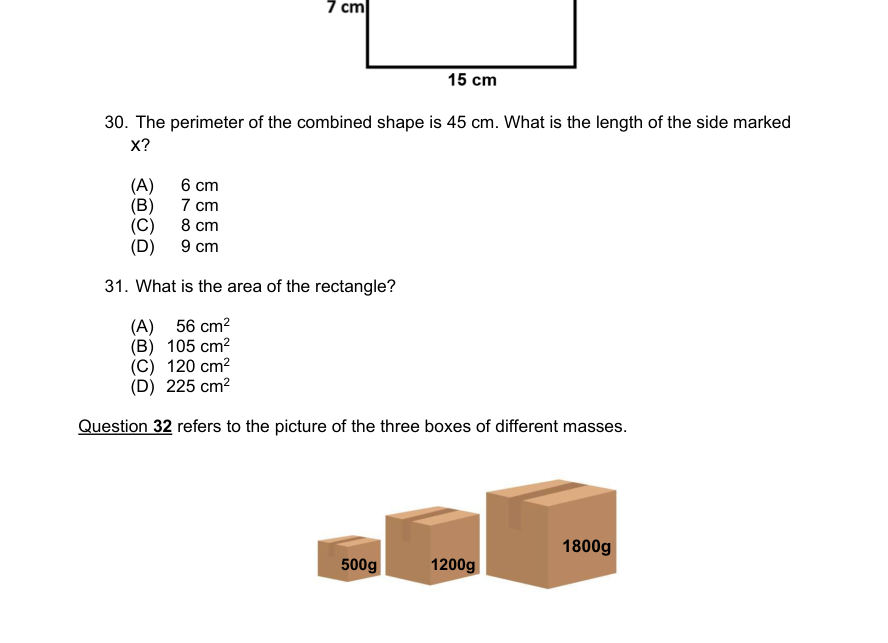
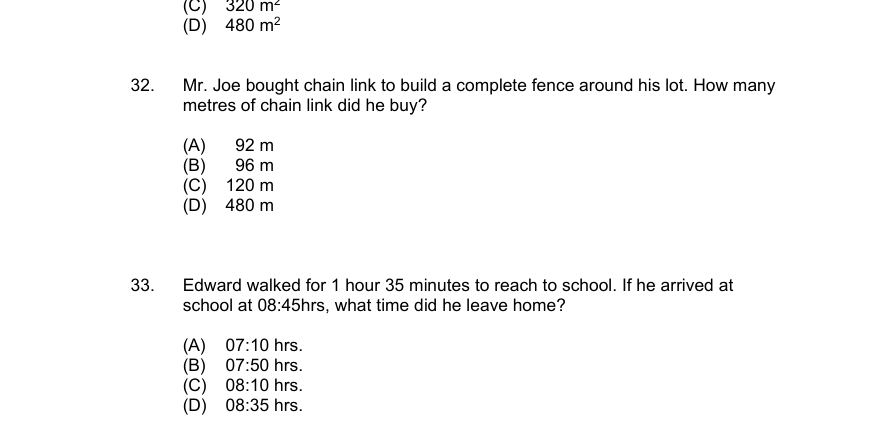
Perimeter is distance around a shape. Area measures surface covered. For rectangles: perimeter = 2(length + width), area = length × width.
When converting from a larger metric unit to a smaller one, the numerical value gets larger; converting back makes it smaller.
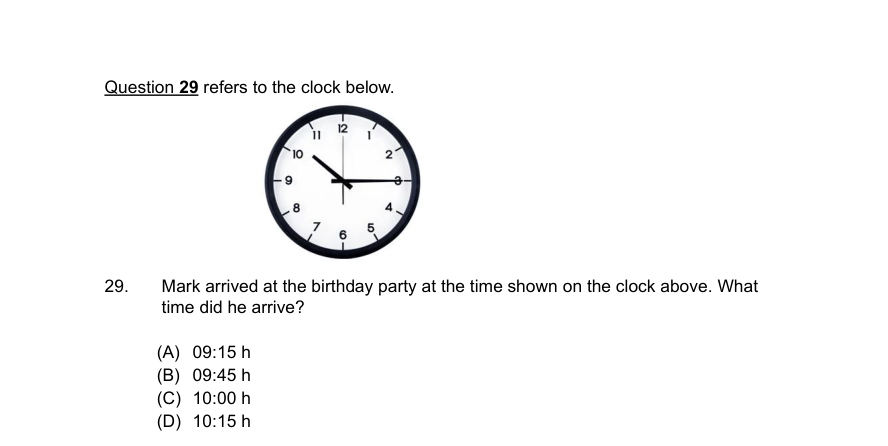
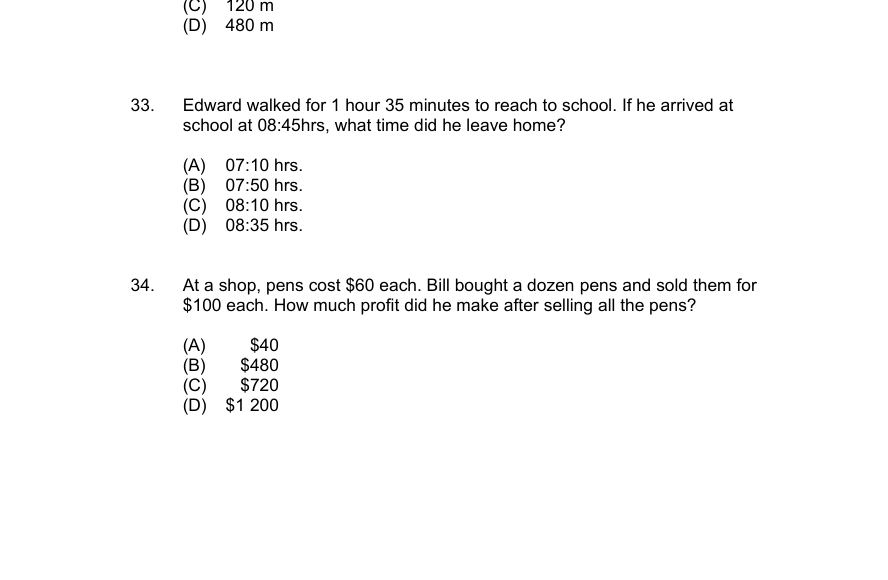
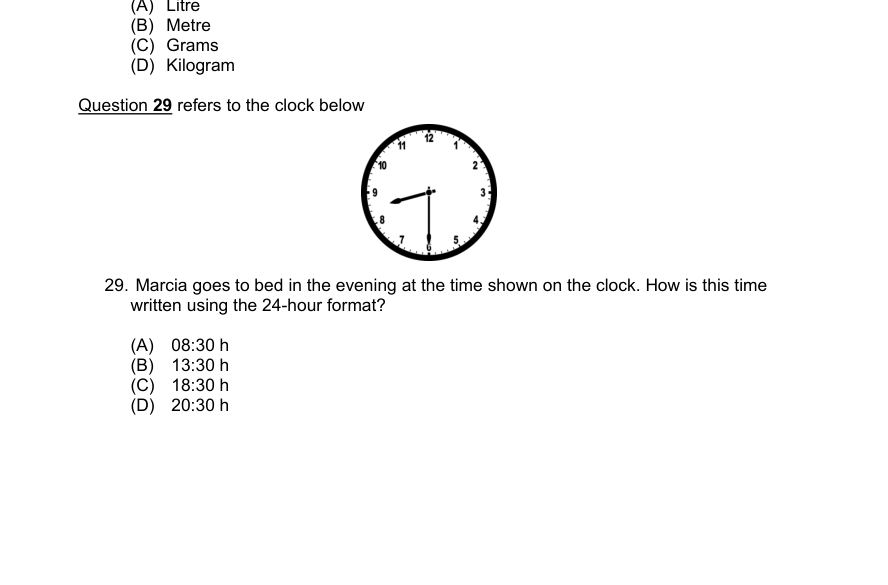
For elapsed time, move along a timeline in easy jumps (hours, then minutes). In 24-hour time, afternoon/evening hours continue past 12.
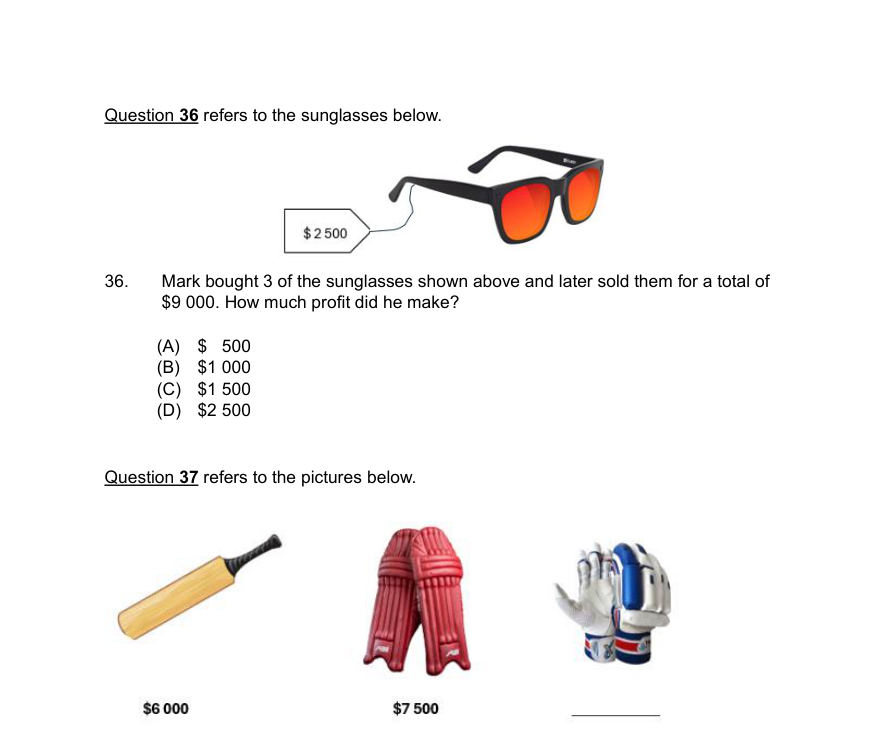
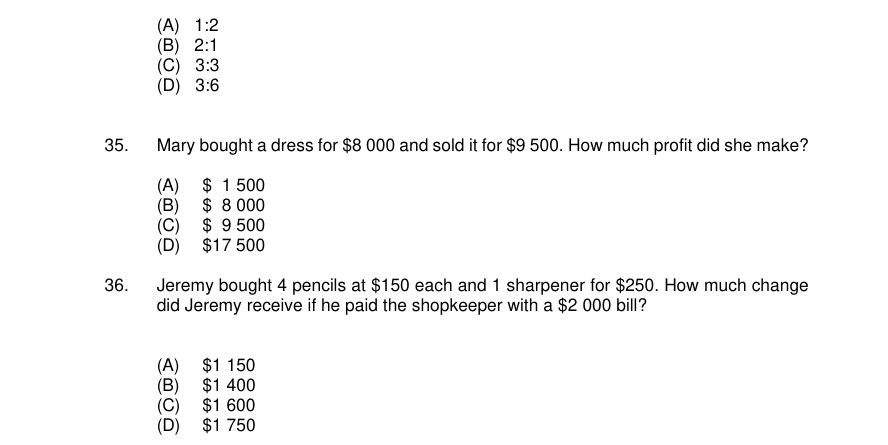
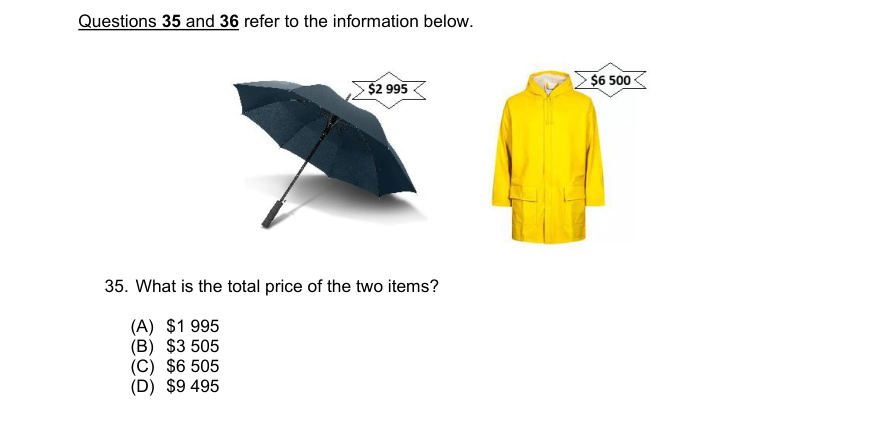
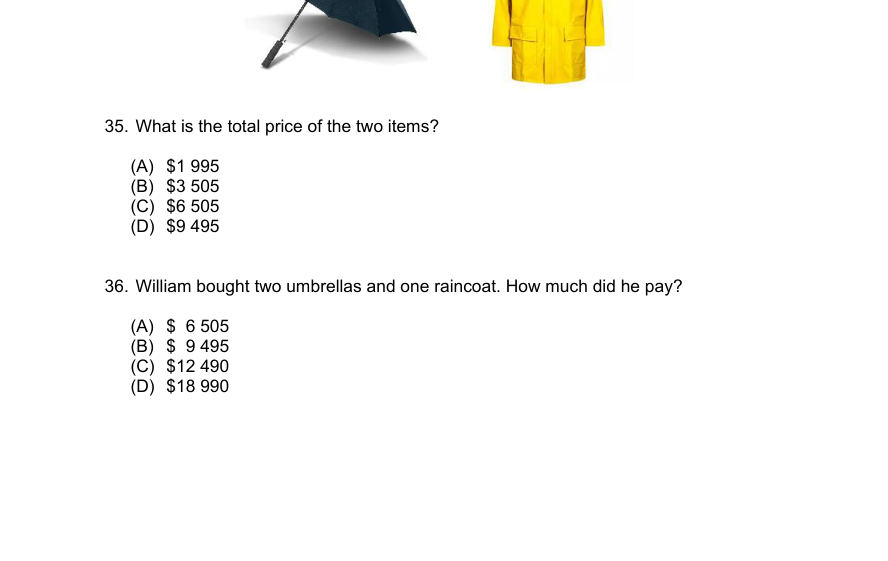
Profit = selling price − cost price. Loss = cost price − selling price. A discount reduces the original price by a percentage of that original price.
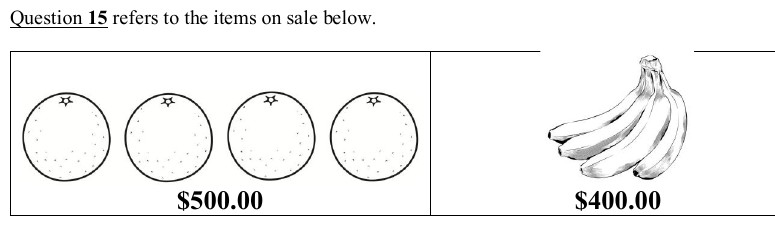
A rate compares quantities with different units, such as oranges per minute or kilometres per hour. Use multiplication for repeated equal rates.
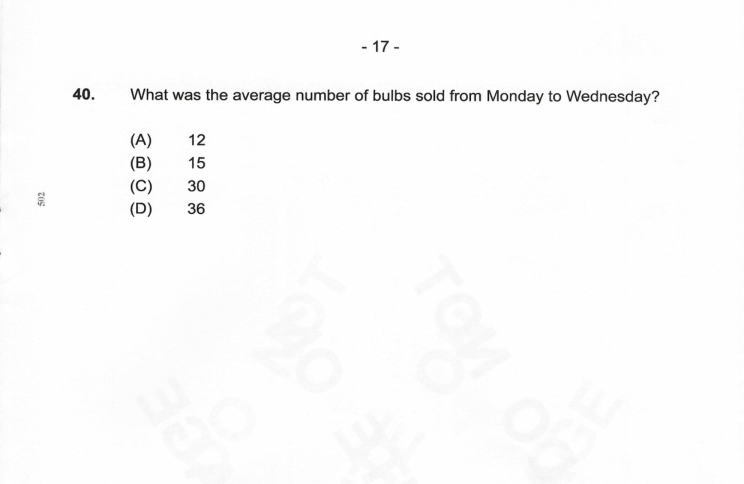
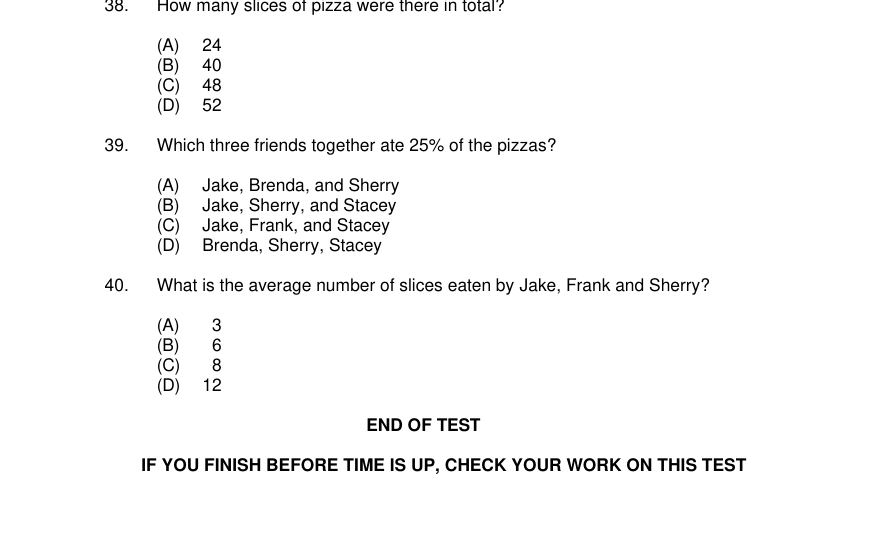
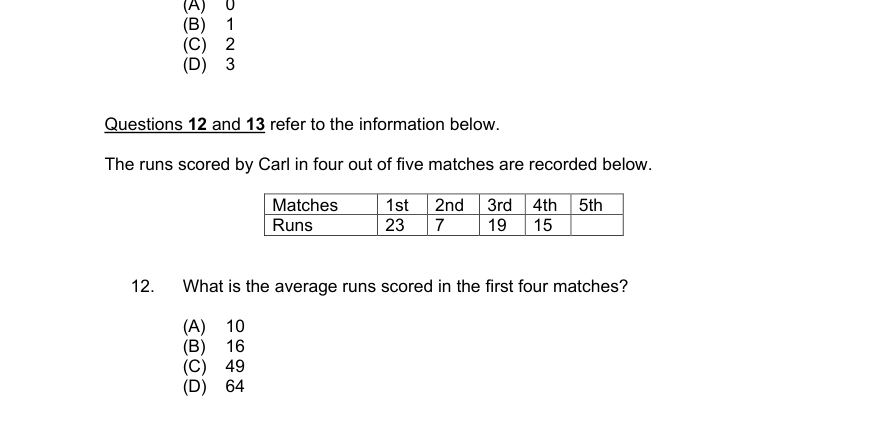
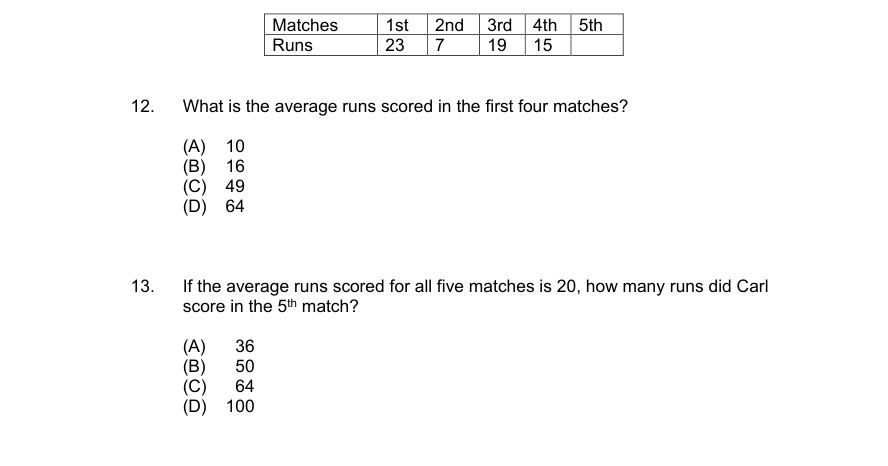
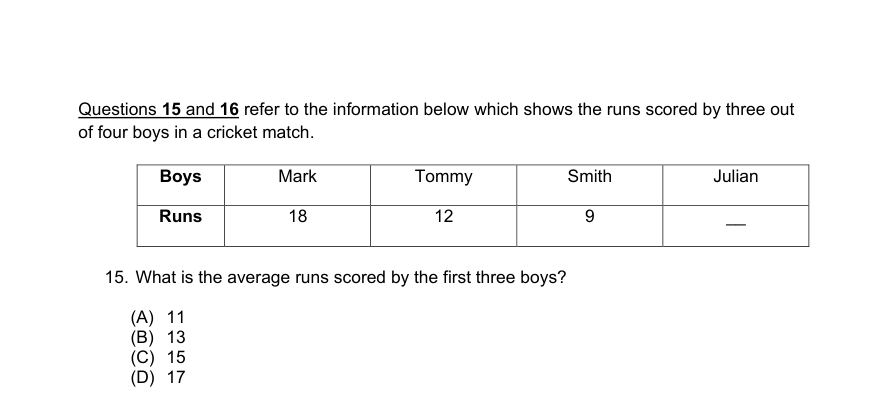
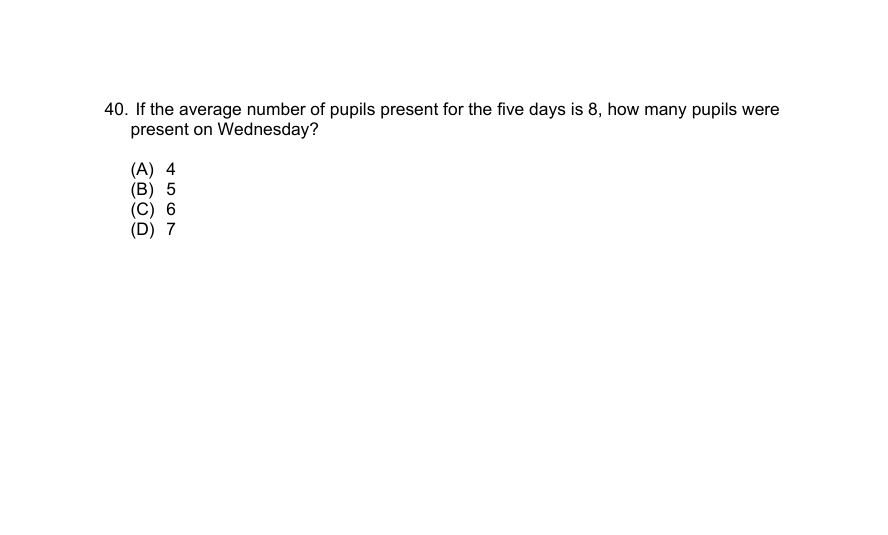
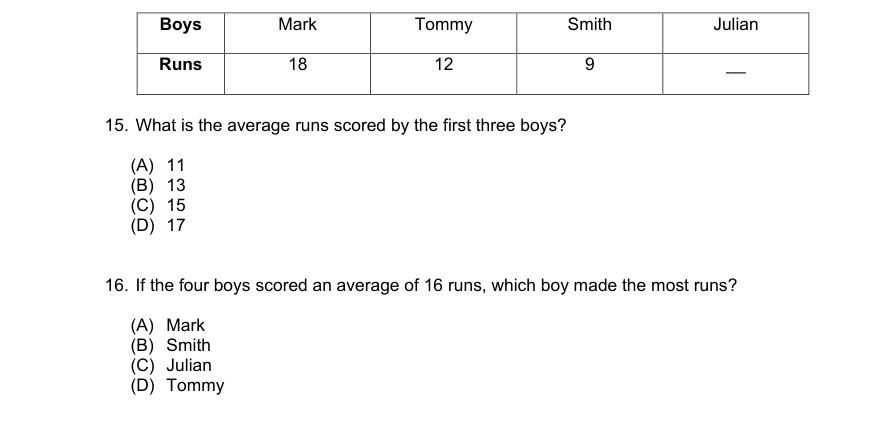
The mean (average) is total ÷ number of values. If the mean and number of values are known, total = mean × number of values.
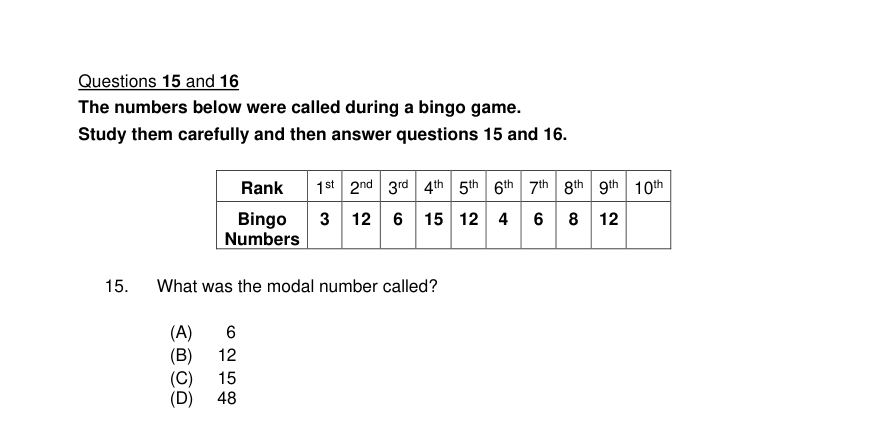
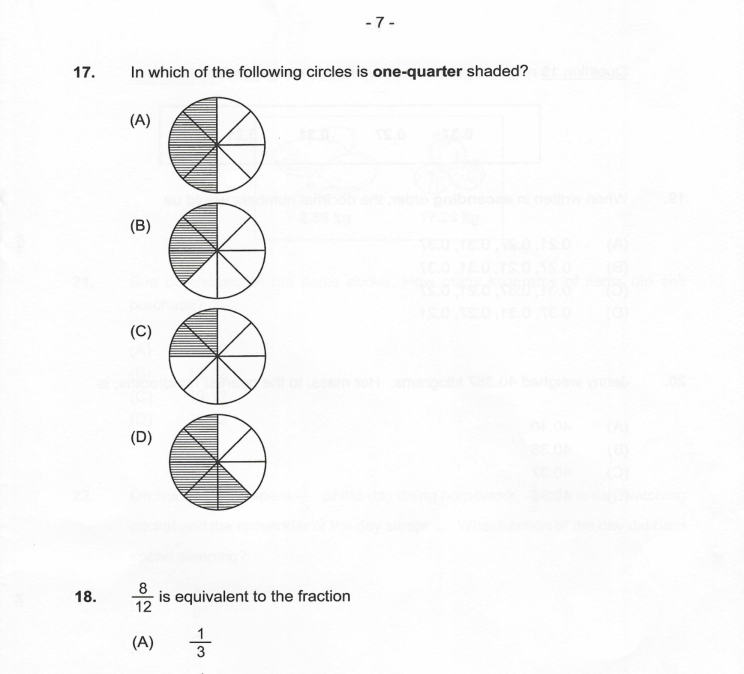
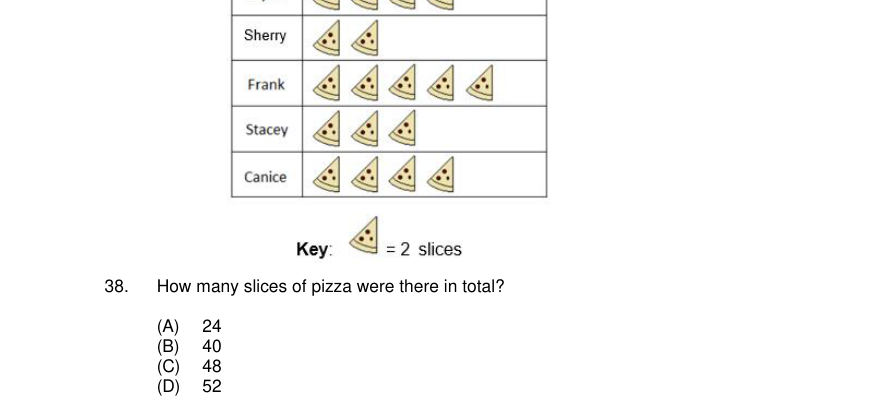
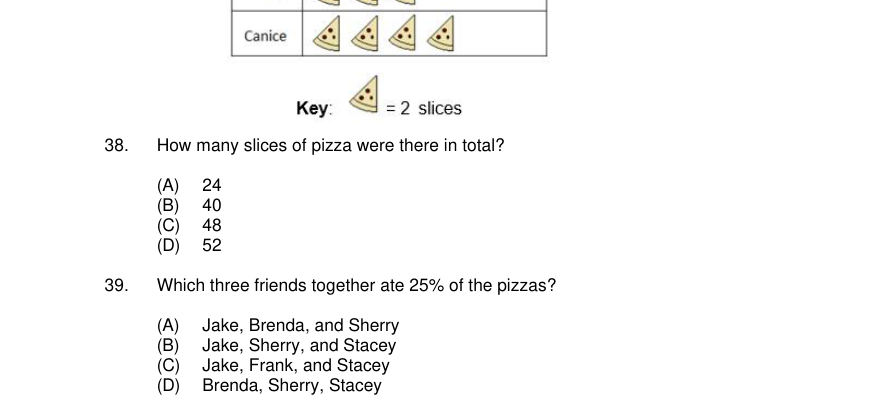
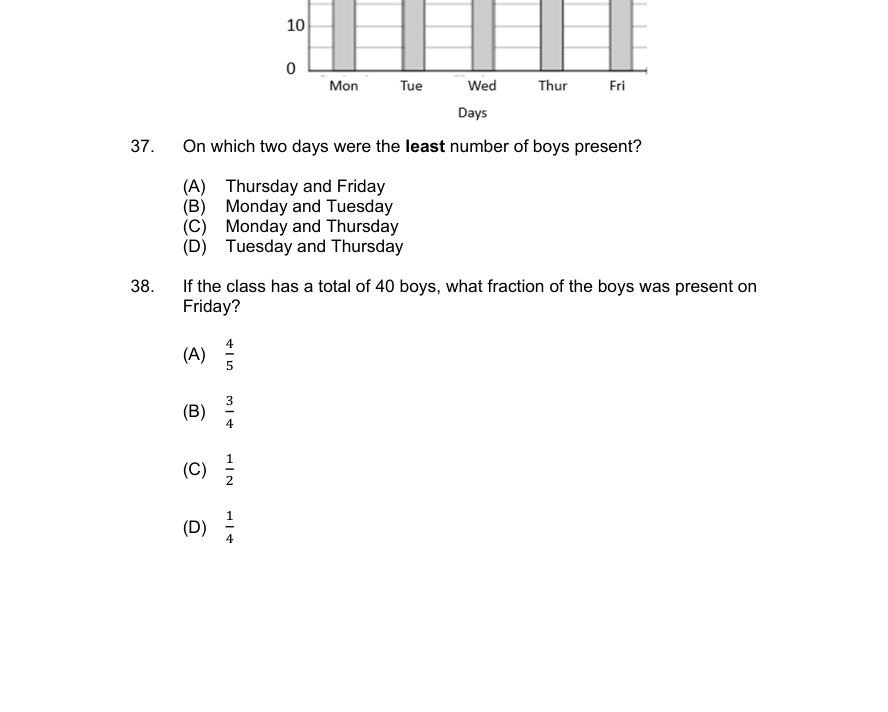
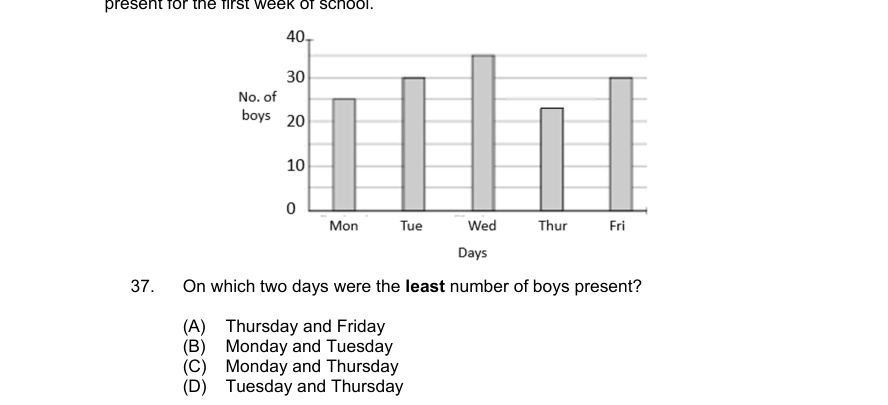
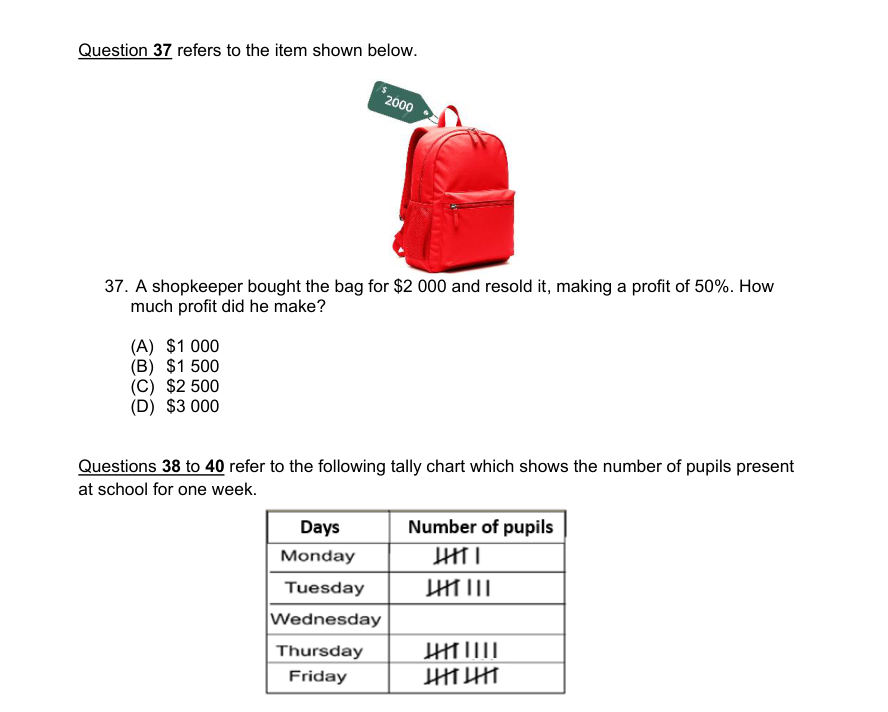
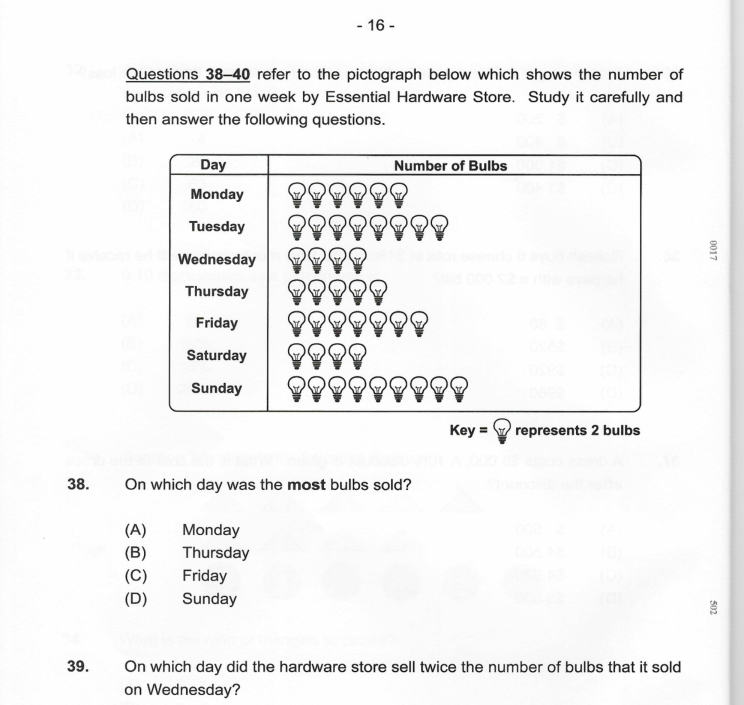
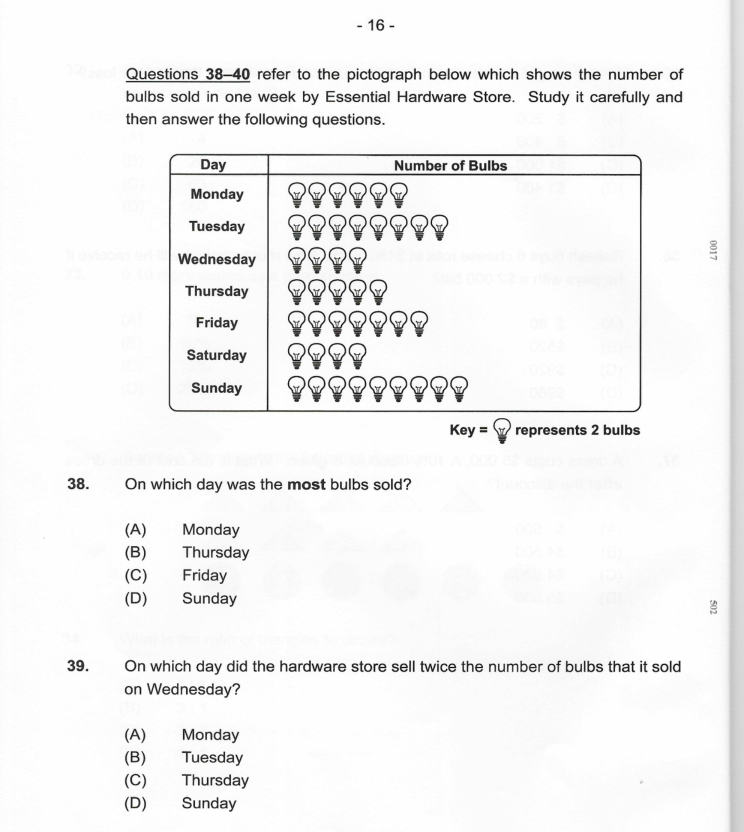
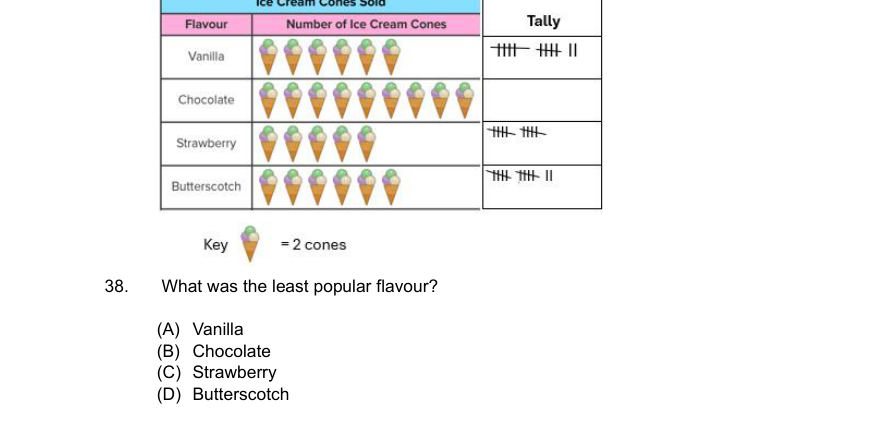
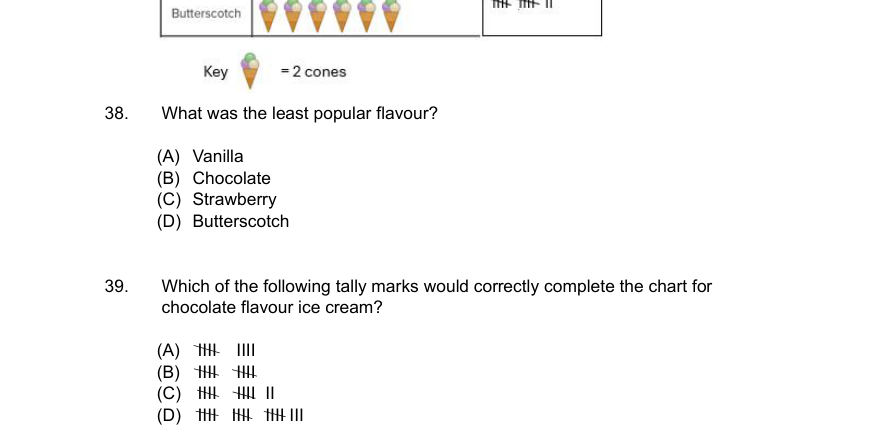
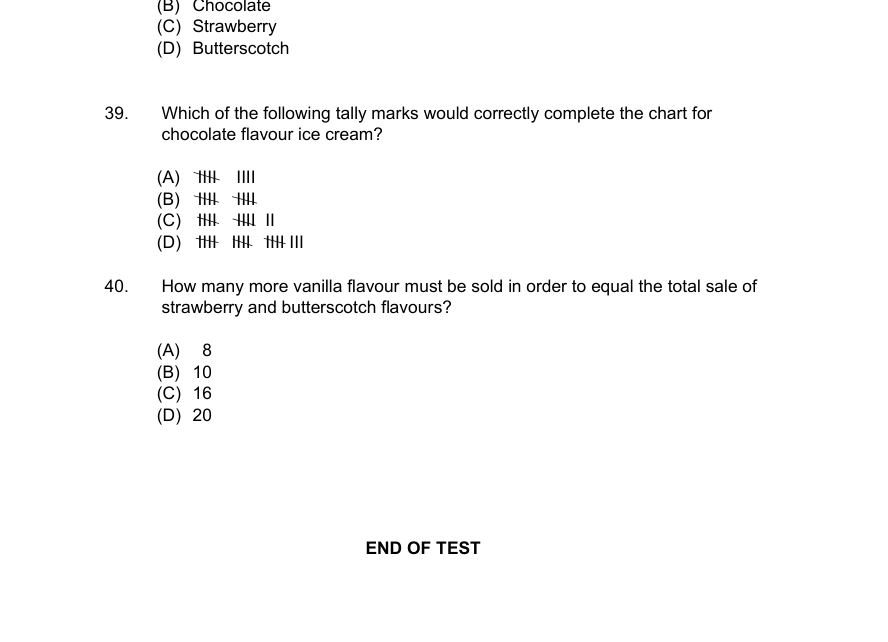
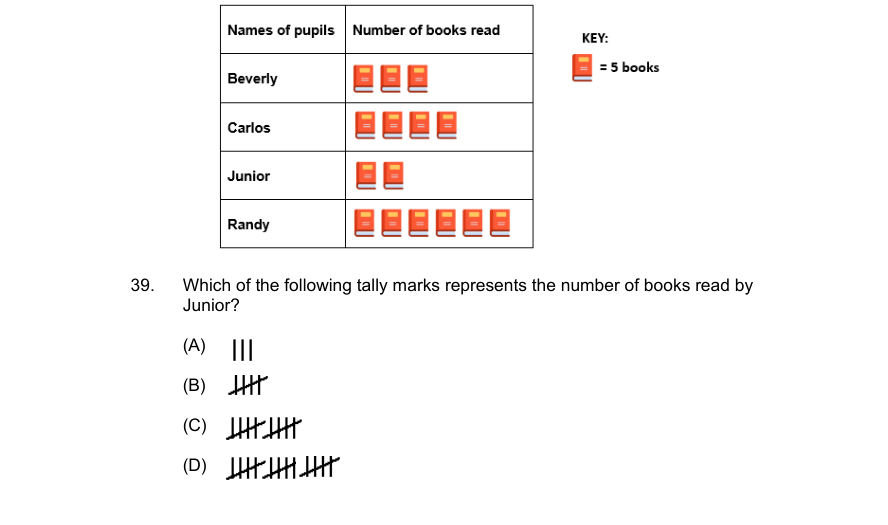
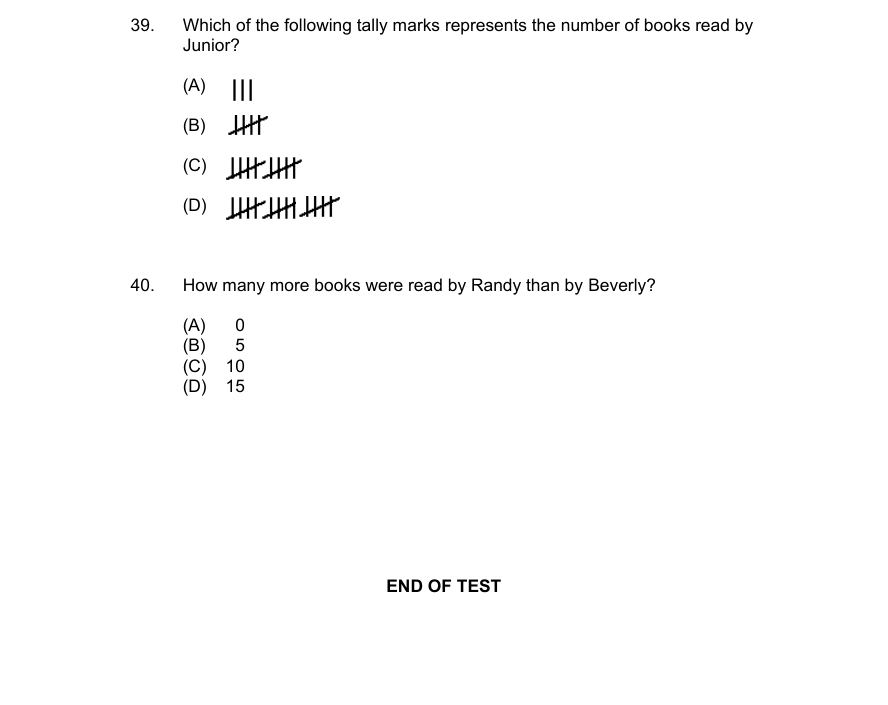
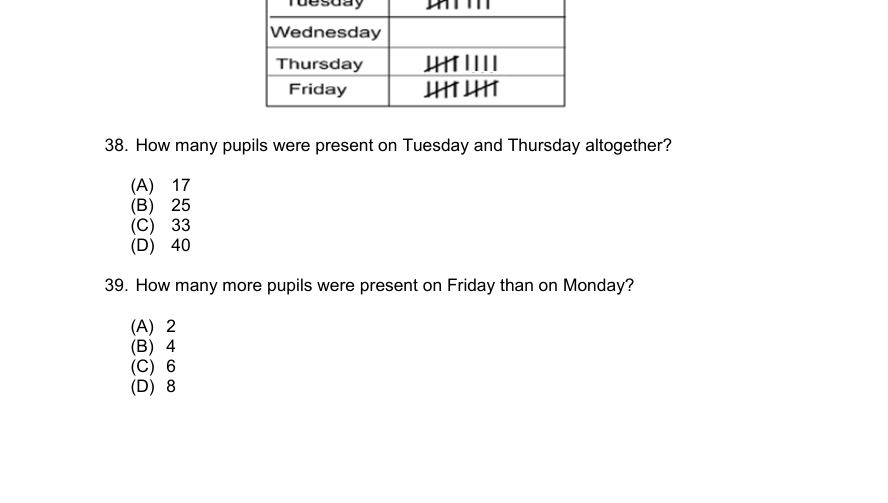
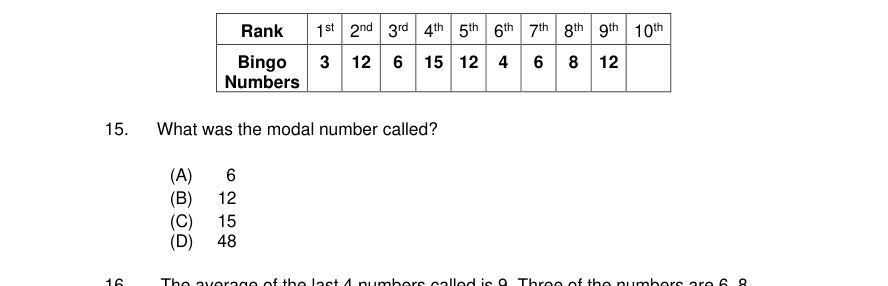
The mode is the value that occurs most often. Read graph scales and pictograph keys before counting; one symbol may represent more than one item.
When comparing graph categories, read values first and then perform the requested calculation—difference, total, fraction, ratio or mean.
Mixed questions often combine two skills. Write down what is known, what is asked, and the unit the answer must use.
Use inverse operations to check results: multiplication checks division, addition checks subtraction, and percentage answers can often be checked against the whole.
On a no-calculator test, organize working neatly, simplify before multiplying, and use estimation to reject impossible answer choices.
No scoring here. Use it after practice to review a full paper or check the correct answer.